

FRENCH POLYNESIA
CAMOUFLAGE GROUPER SPAWNING
FAKARAVA ATOLL
THE EXPEDITION
CAMOUFLAGE GROUPER SPAWNING & TUAMOTU LIVEABOARD COMBO EXPEDITION
EXPERIENCE REQUIRED - ADVANCED OPEN WATER LEVEL WITH 50 DIVES MIN
This expedition combines two completely different sides of French Polynesia into one unforgettable journey.
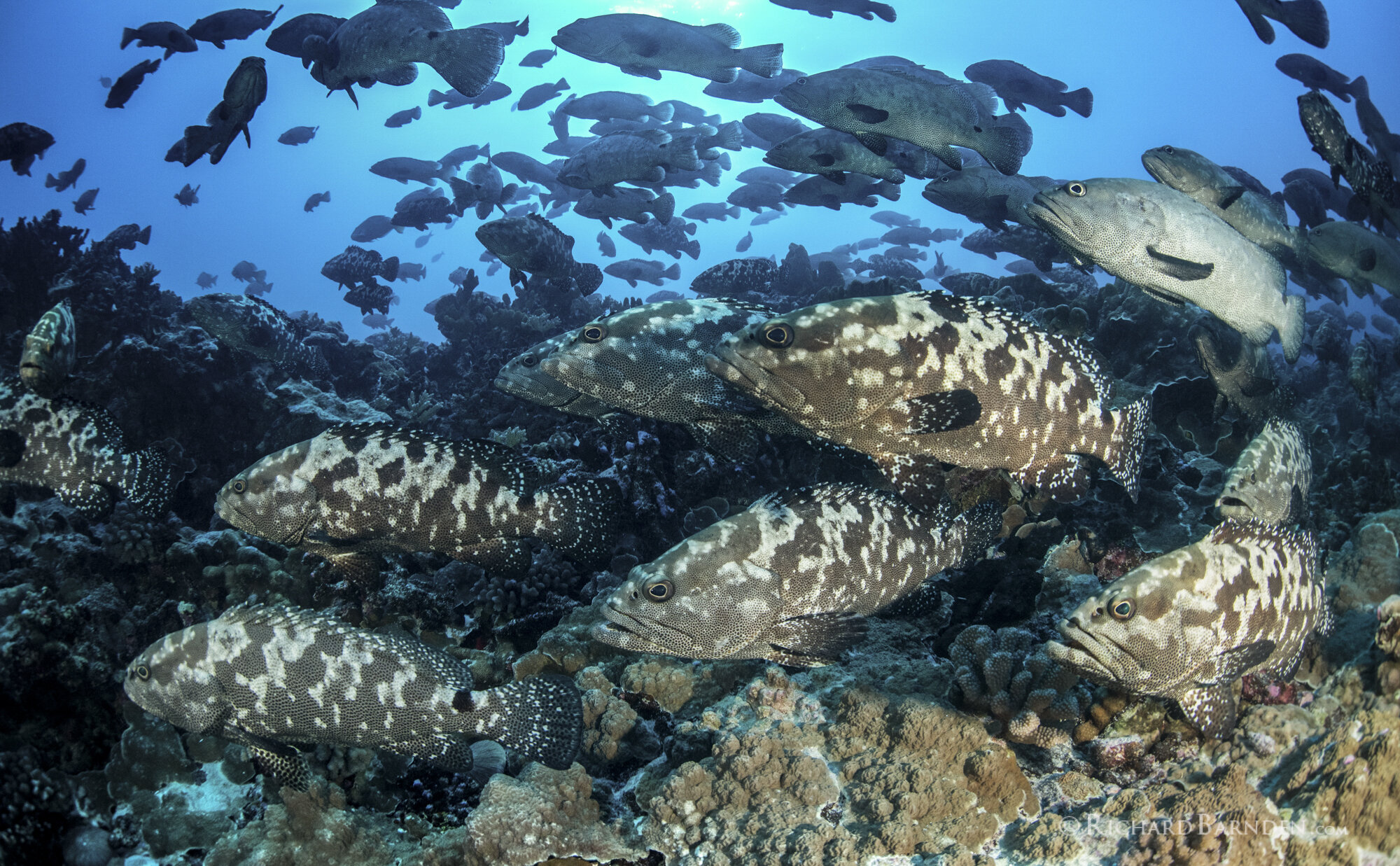
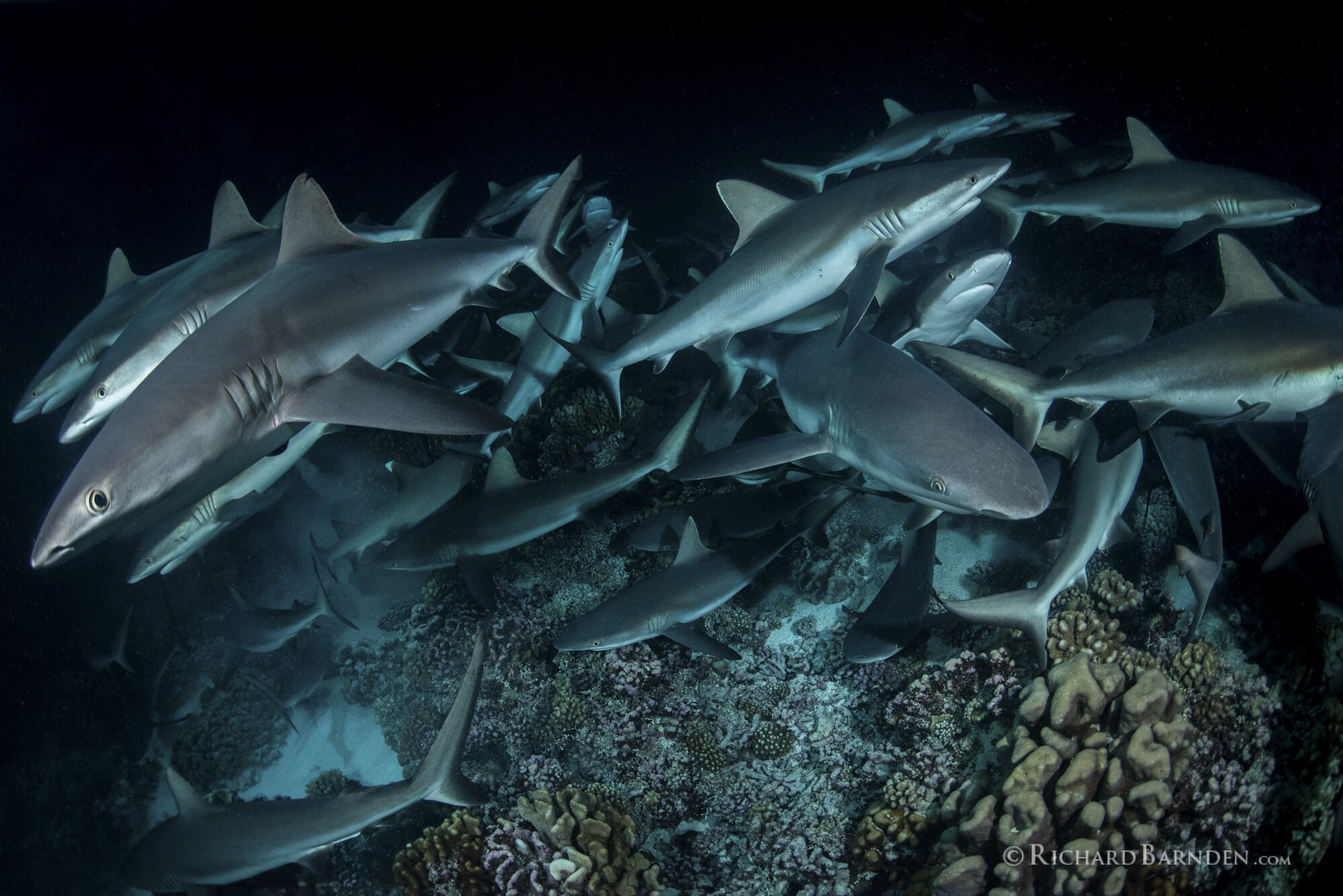
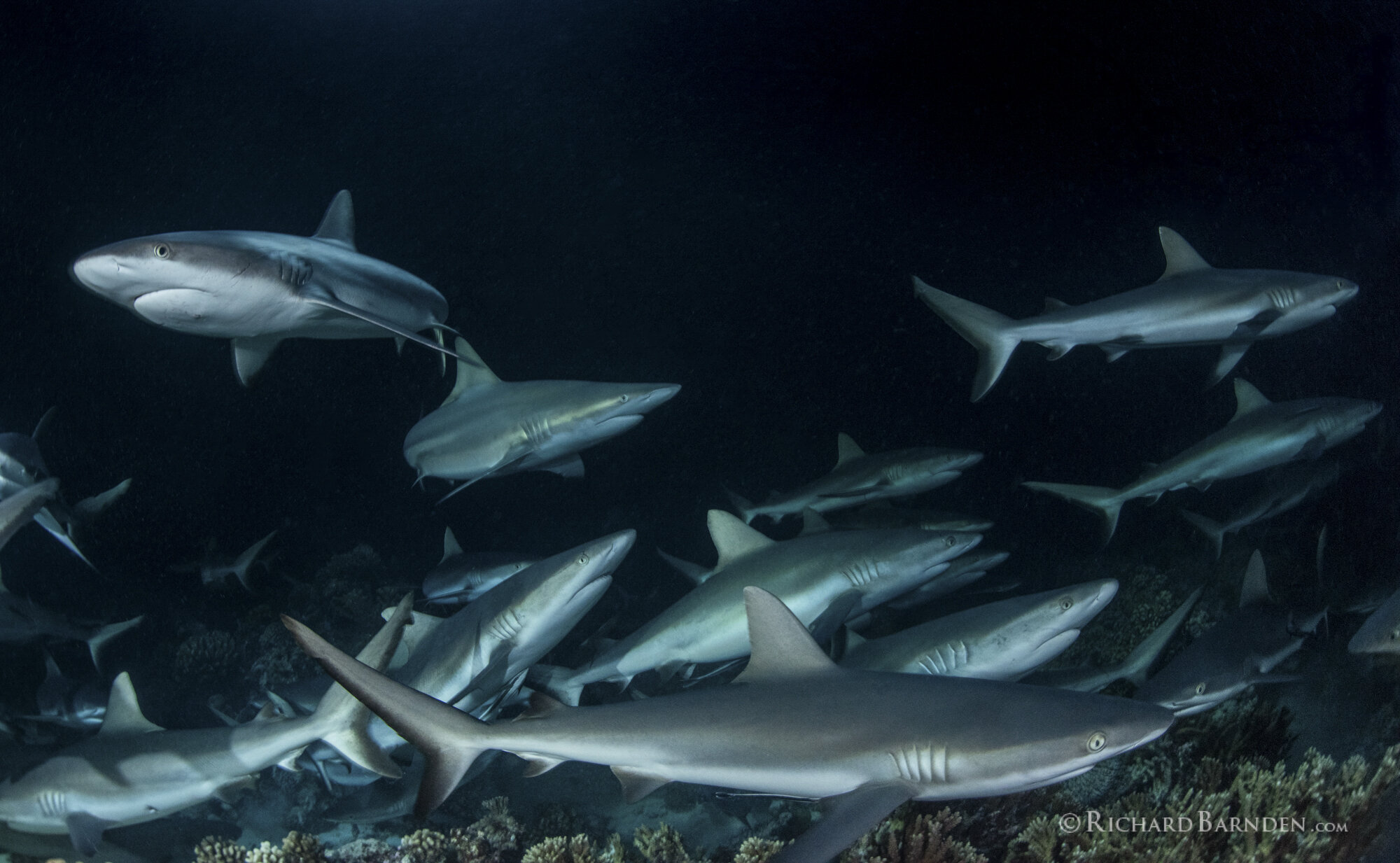
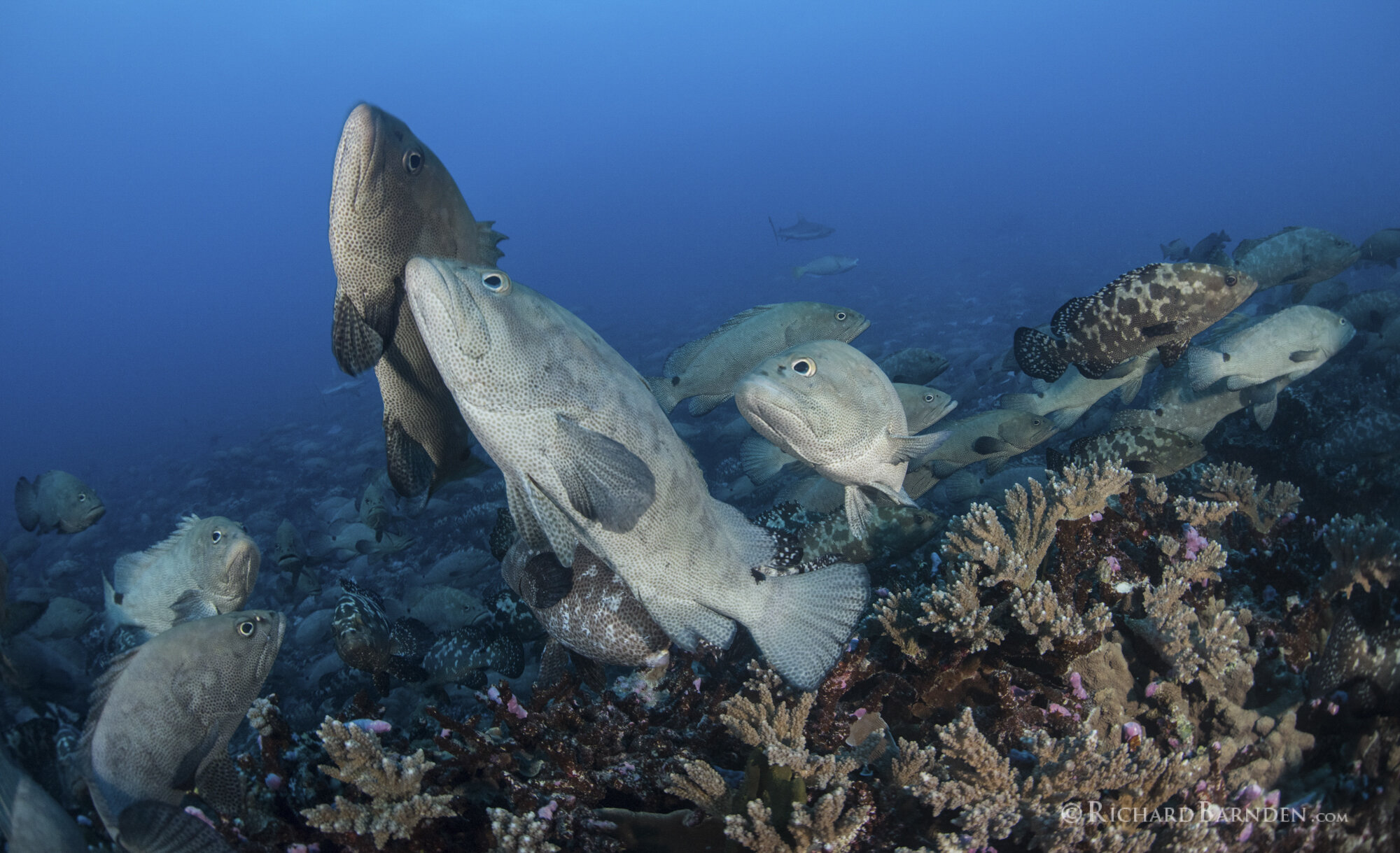
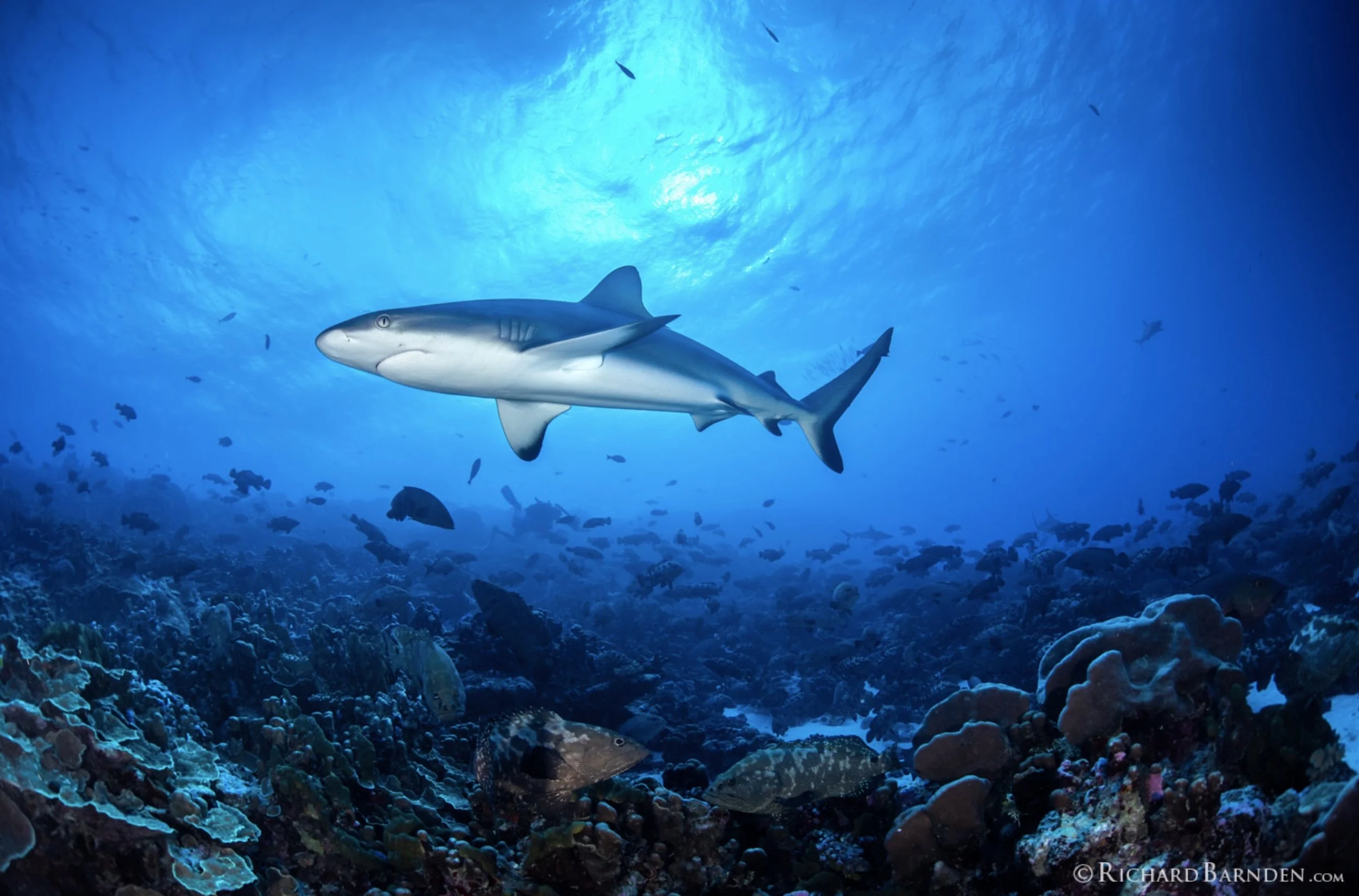
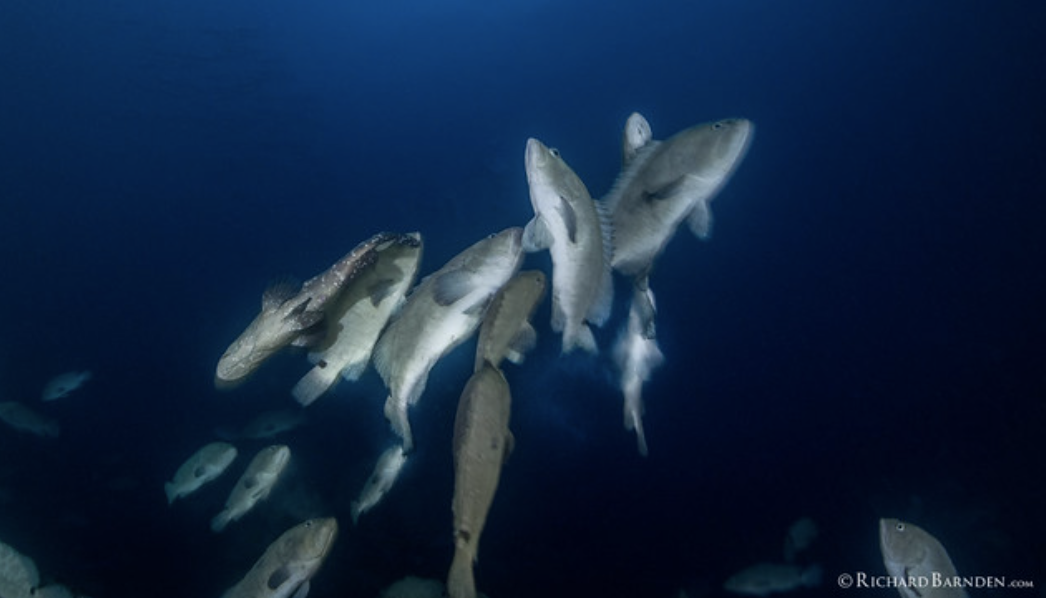
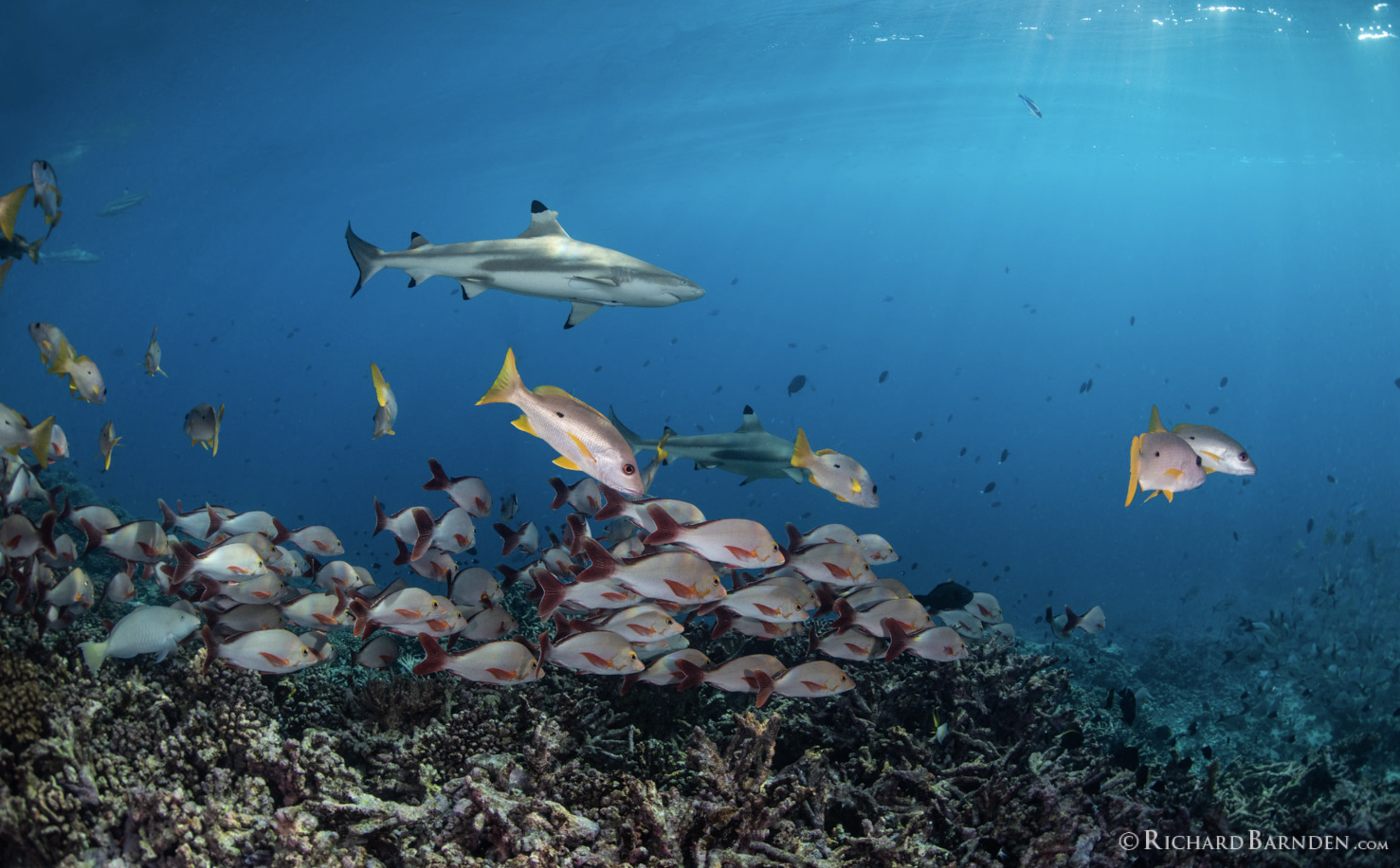
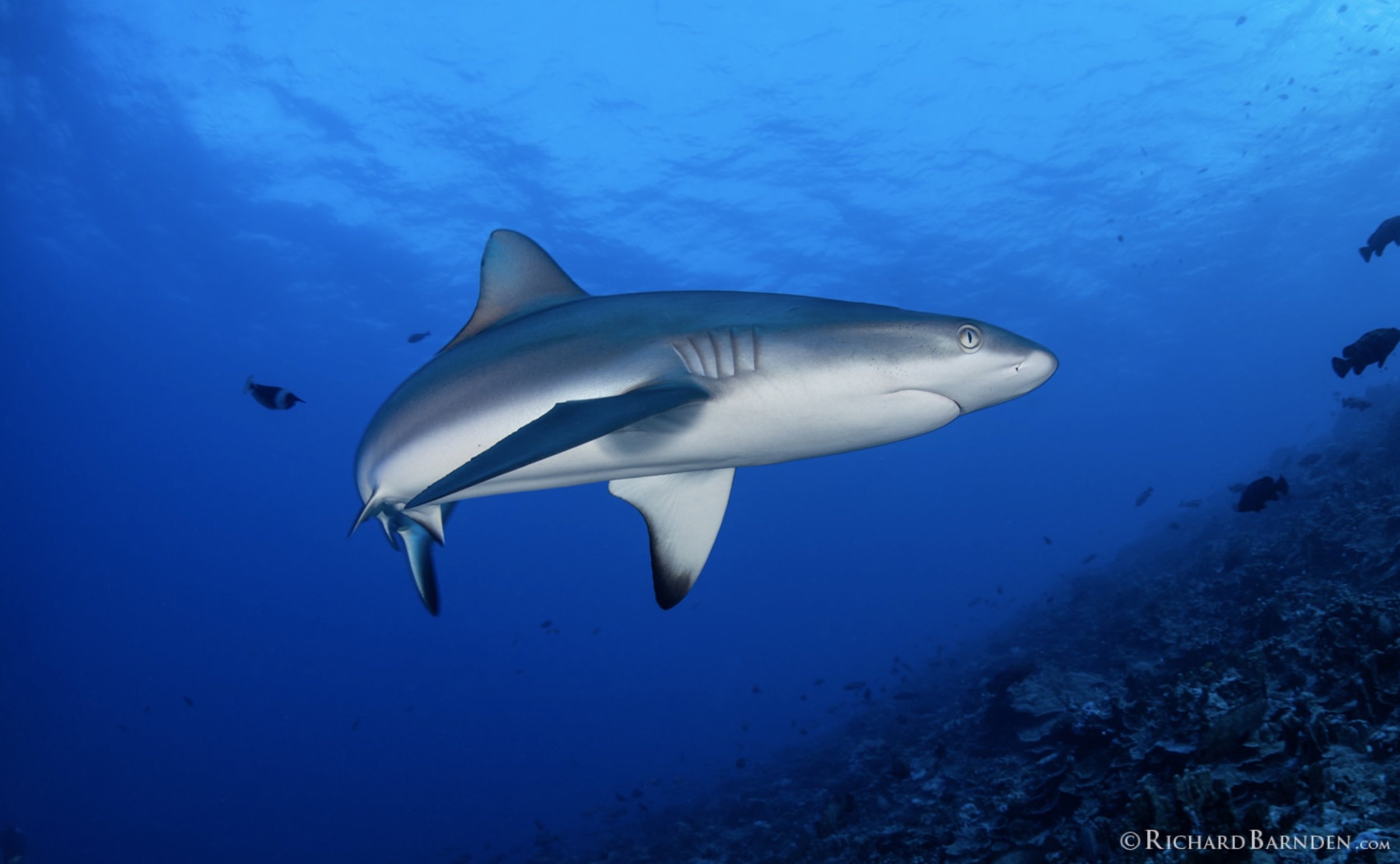
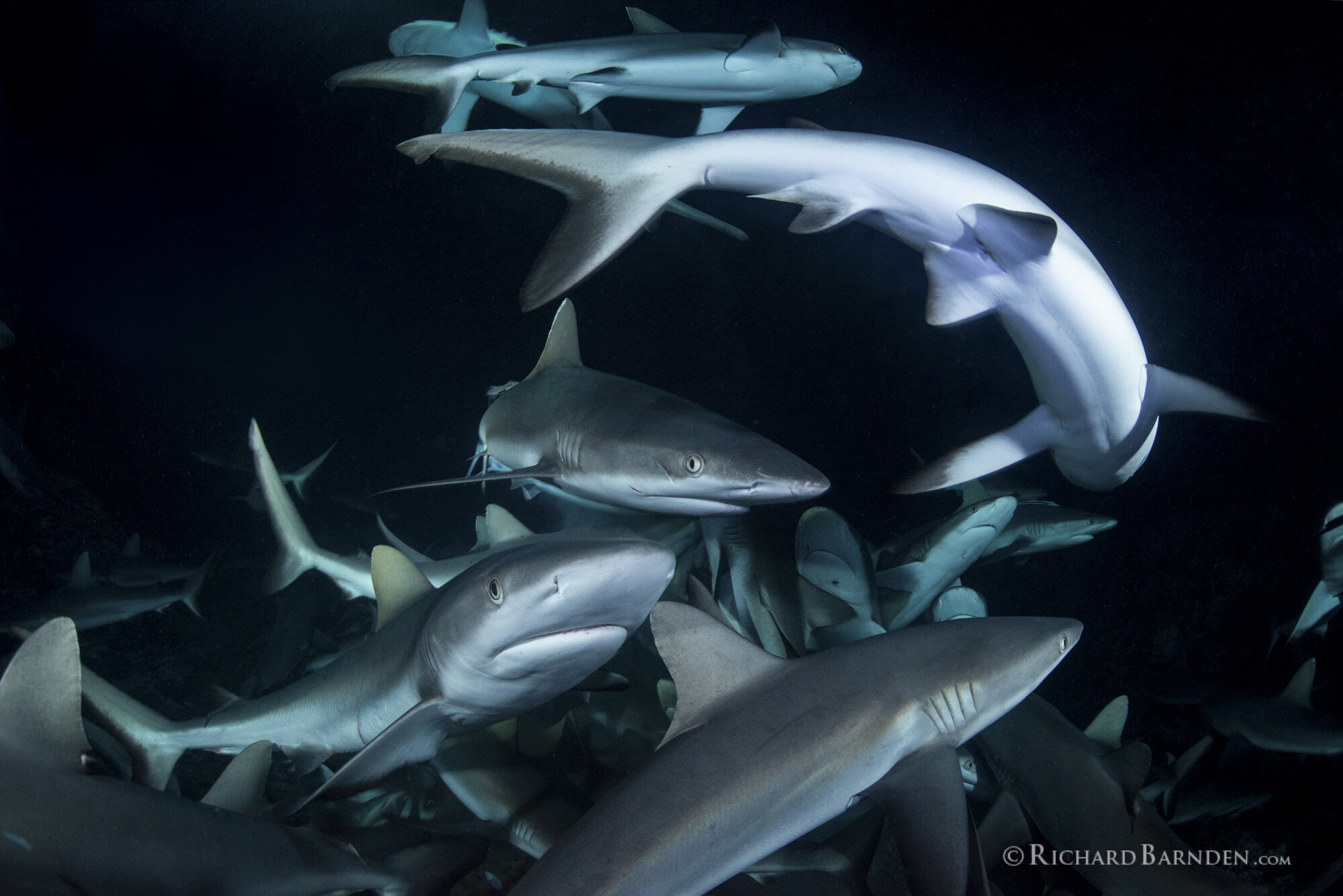
The first part of the expedition is all about precision. Based at the beautiful Aito Motu Resort in Fakarava South, we'll spend several days timing our dives around one of the greatest underwater wildlife spectacles on Earth—the annual Camouflage Grouper spawning aggregation. Guided by the full moon, tides and currents, thousands of groupers gather to reproduce while hundreds of grey reef sharks patrol the pass, creating an extraordinary display of life found in very few places on the planet.
Rather than rushing from one destination to another, we'll remain in the heart of the action, allowing us to adapt each day's diving to the ever-changing behaviour of the fish and sharks. Success depends on patience, experience and understanding the natural rhythms of the ocean—not simply following a timetable.
Once the spawning event has concluded, the adventure enters an entirely new chapter.
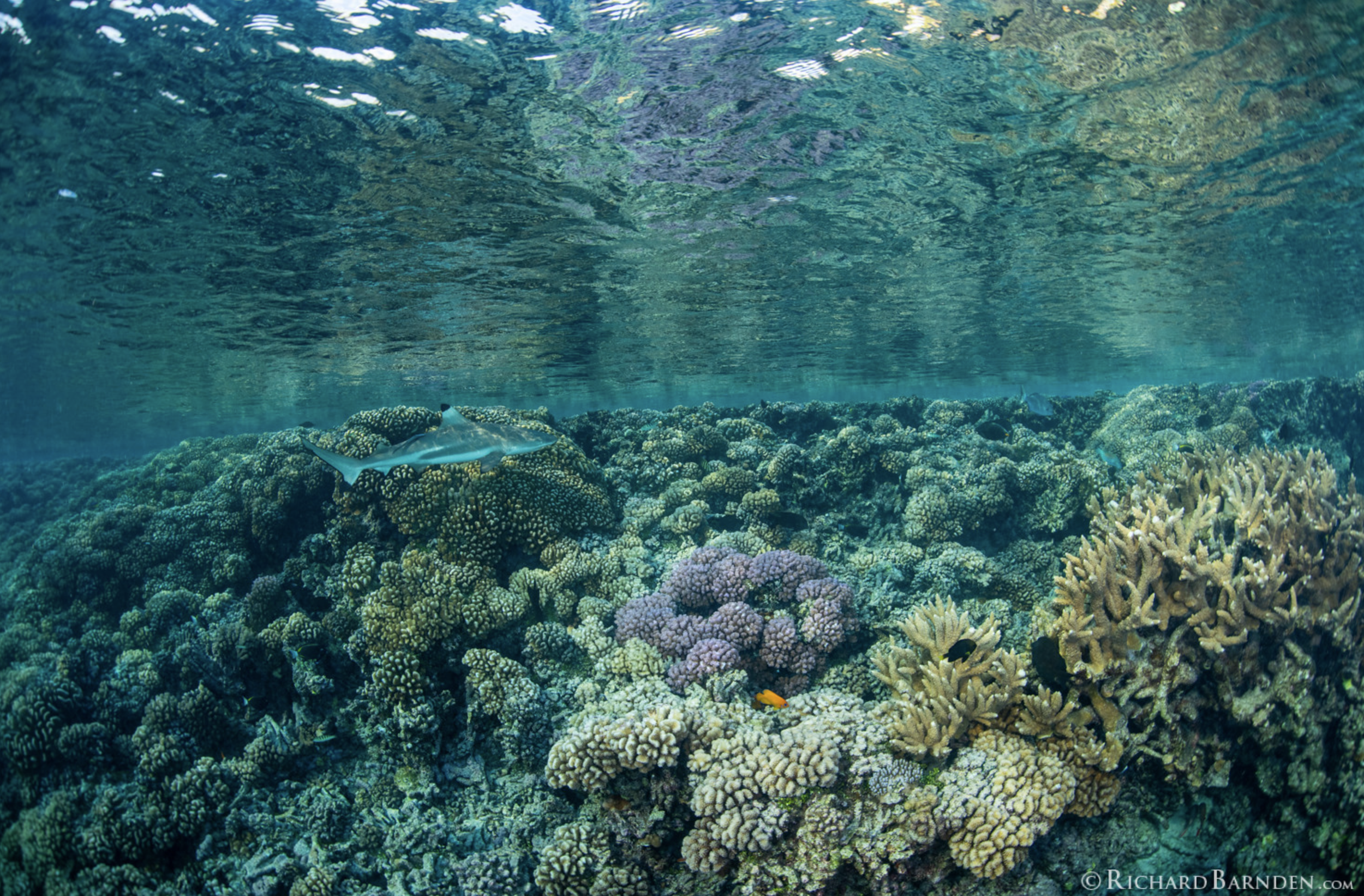
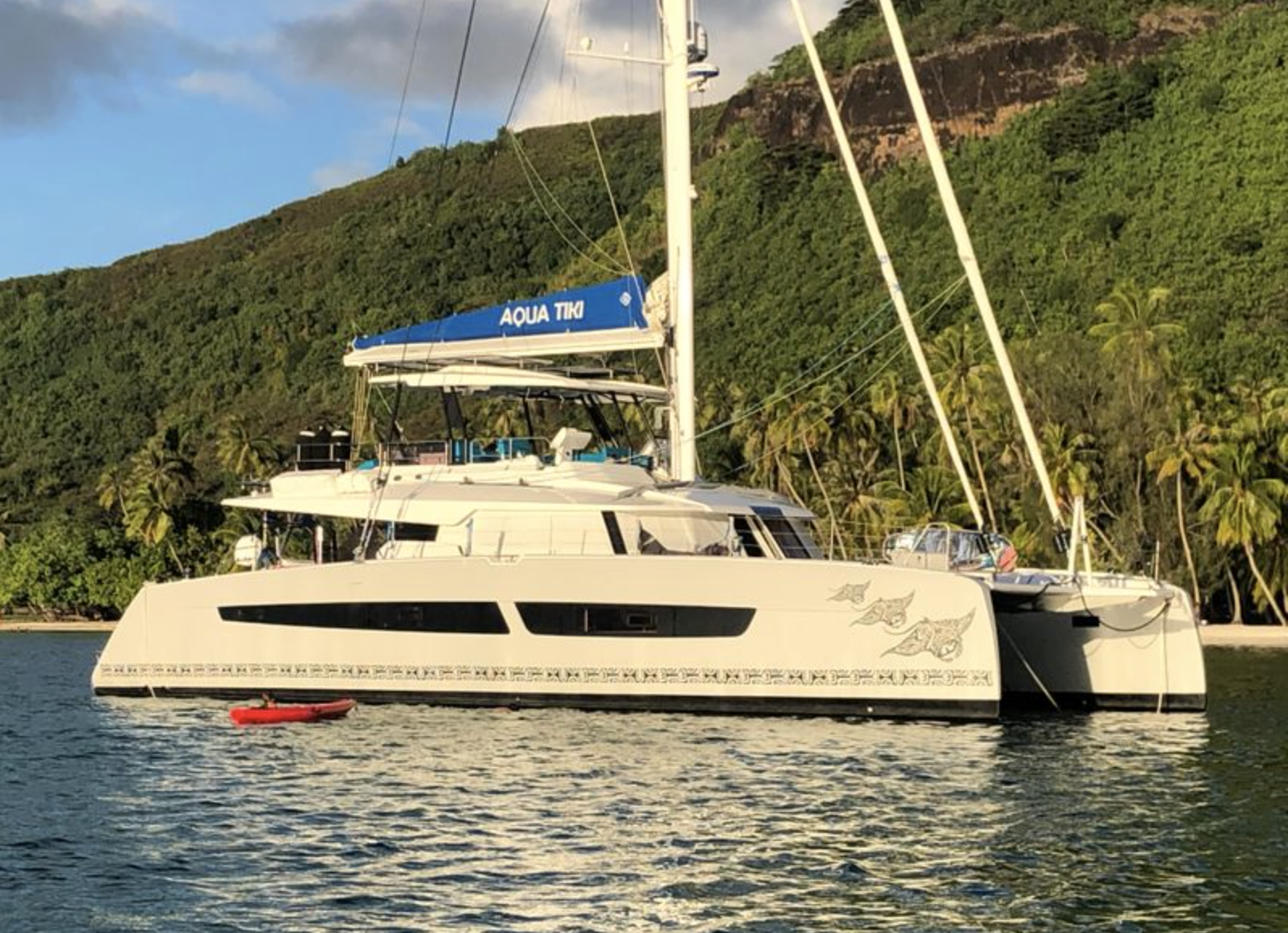
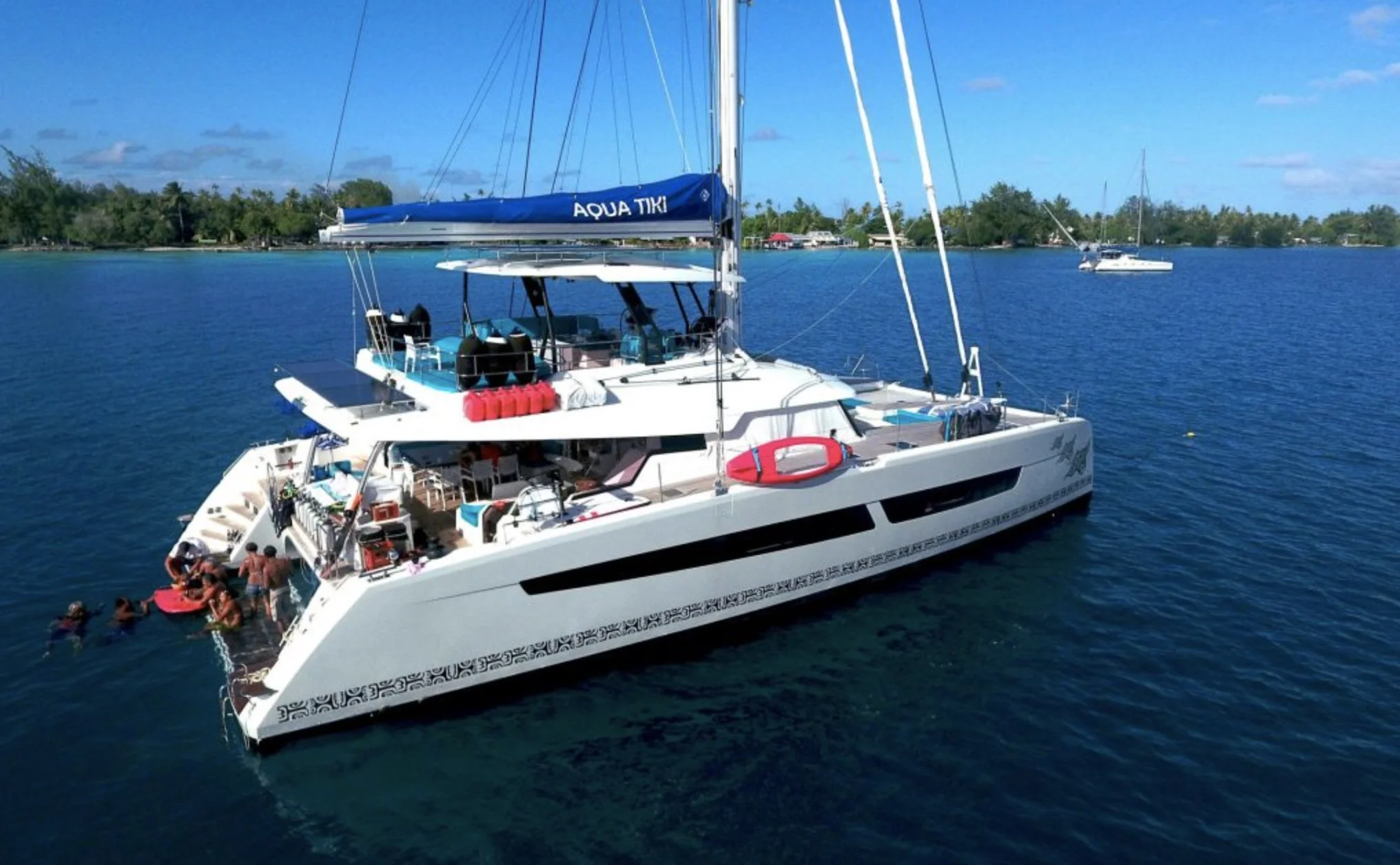
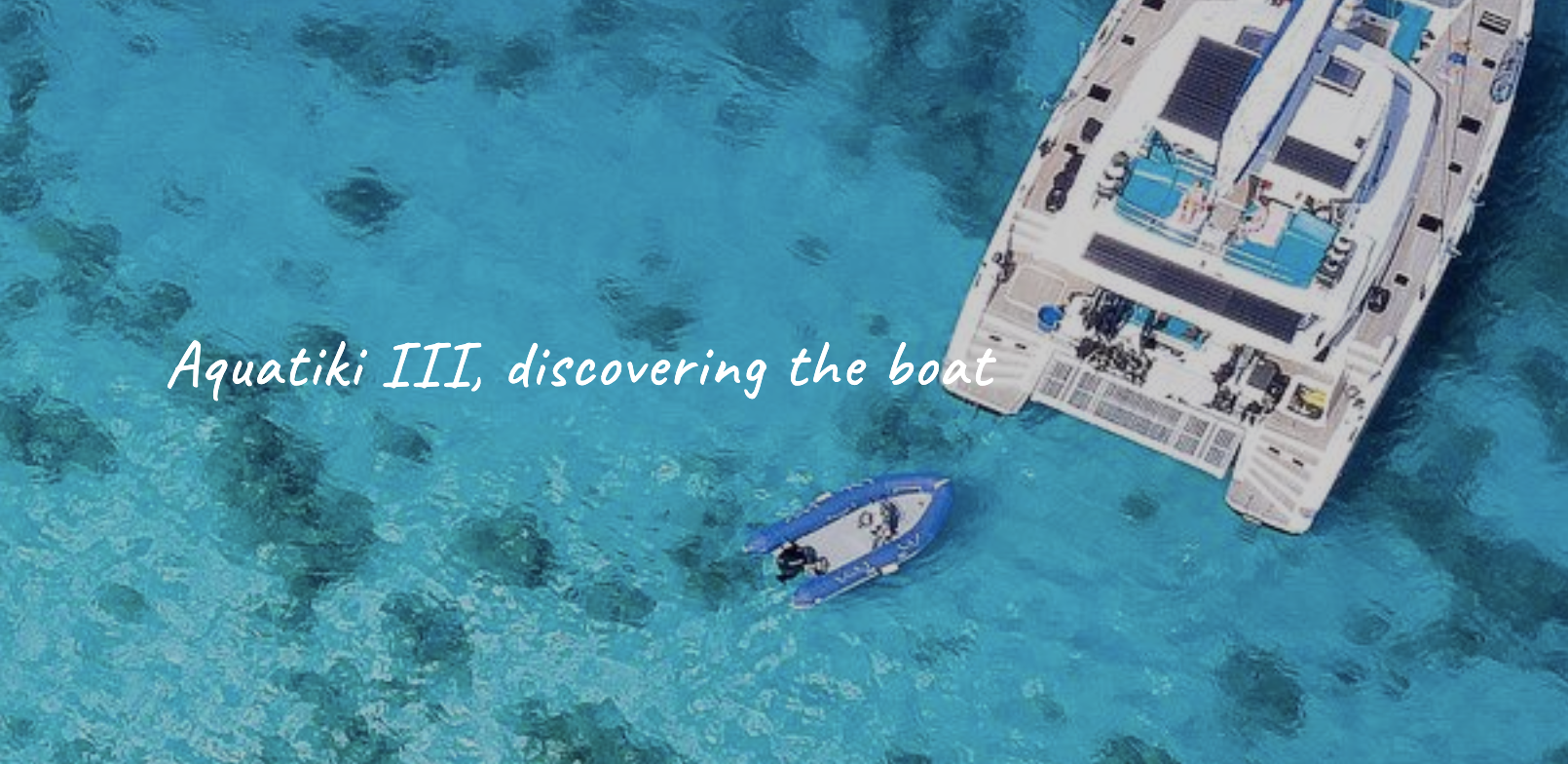
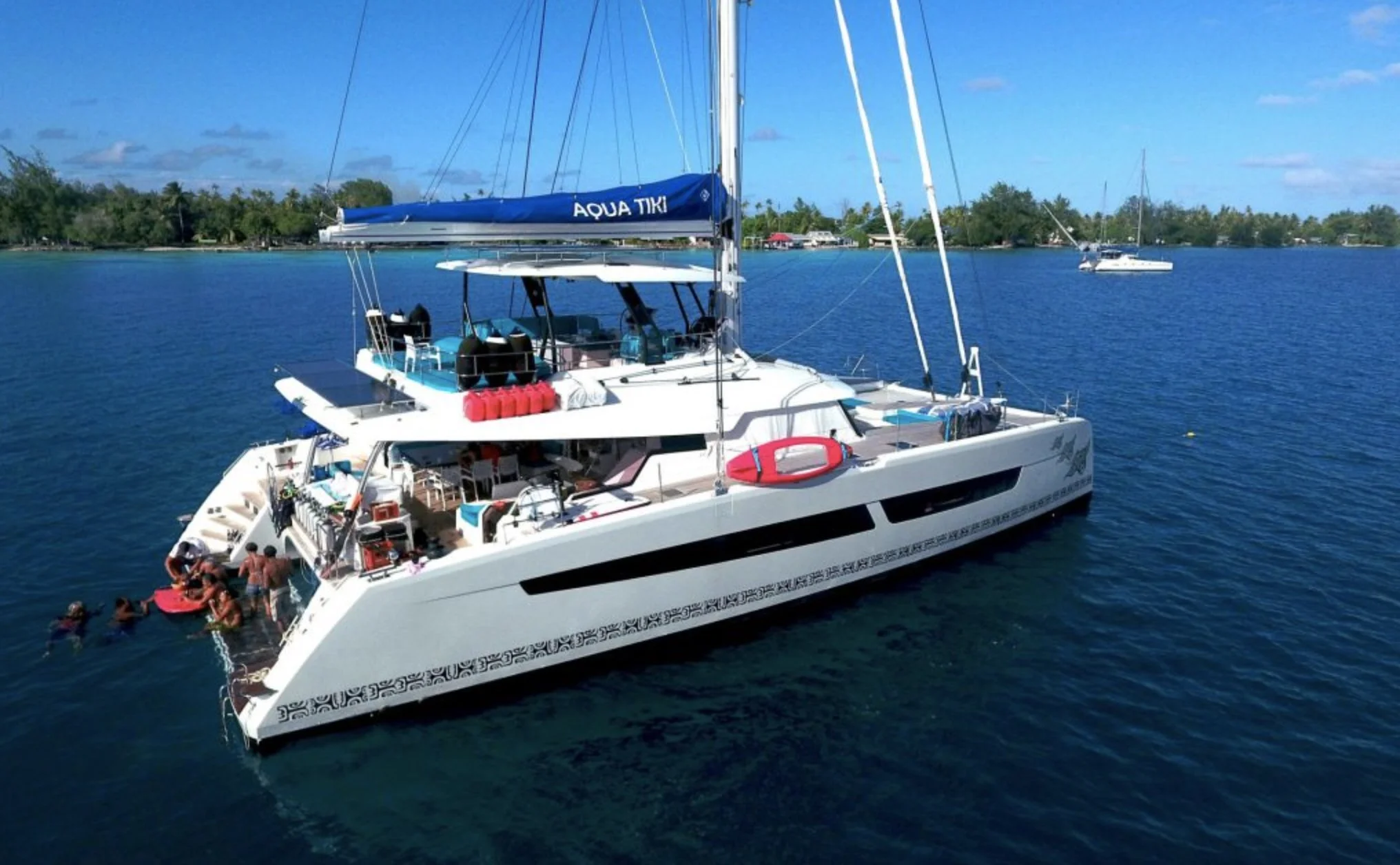
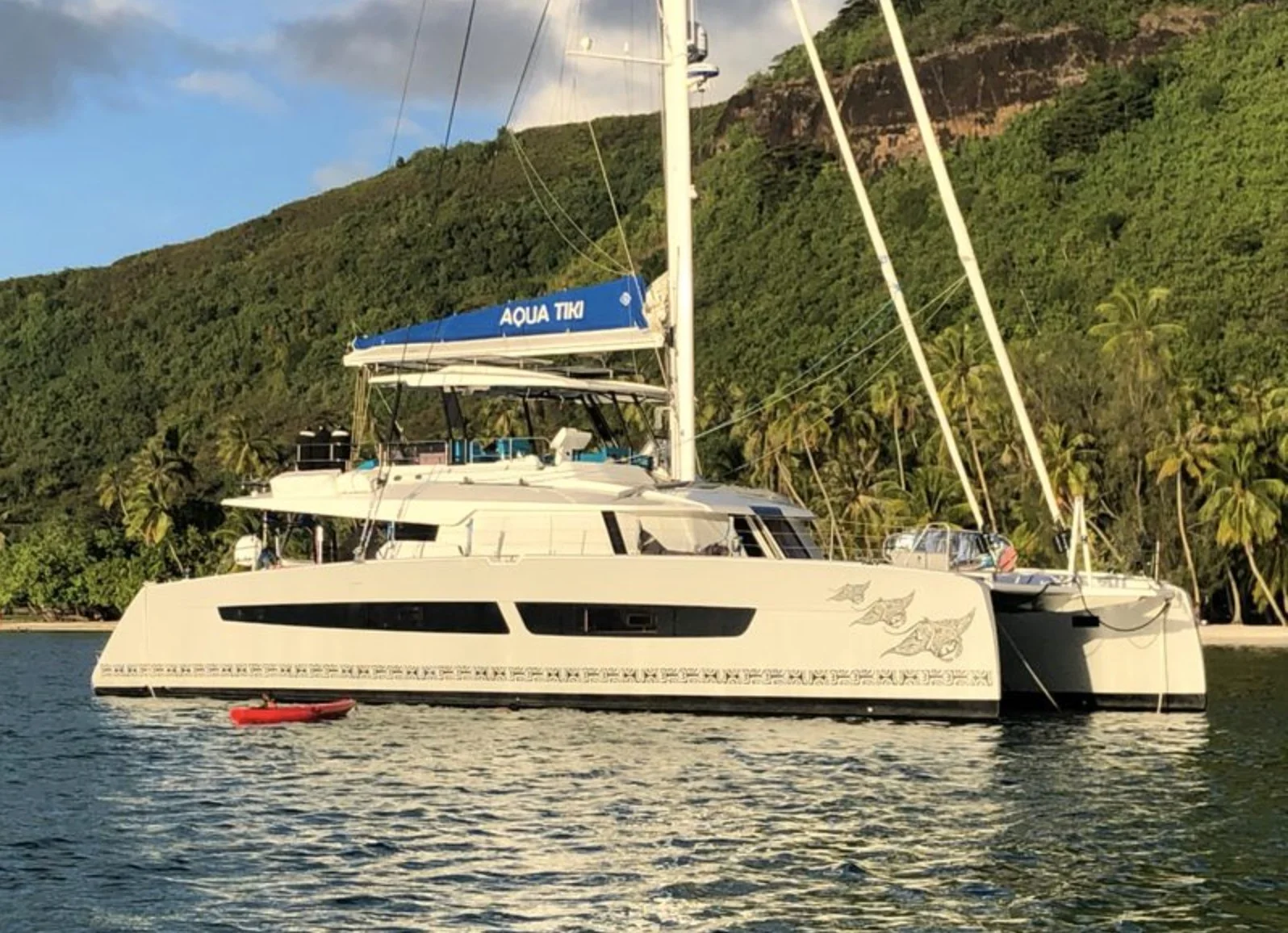
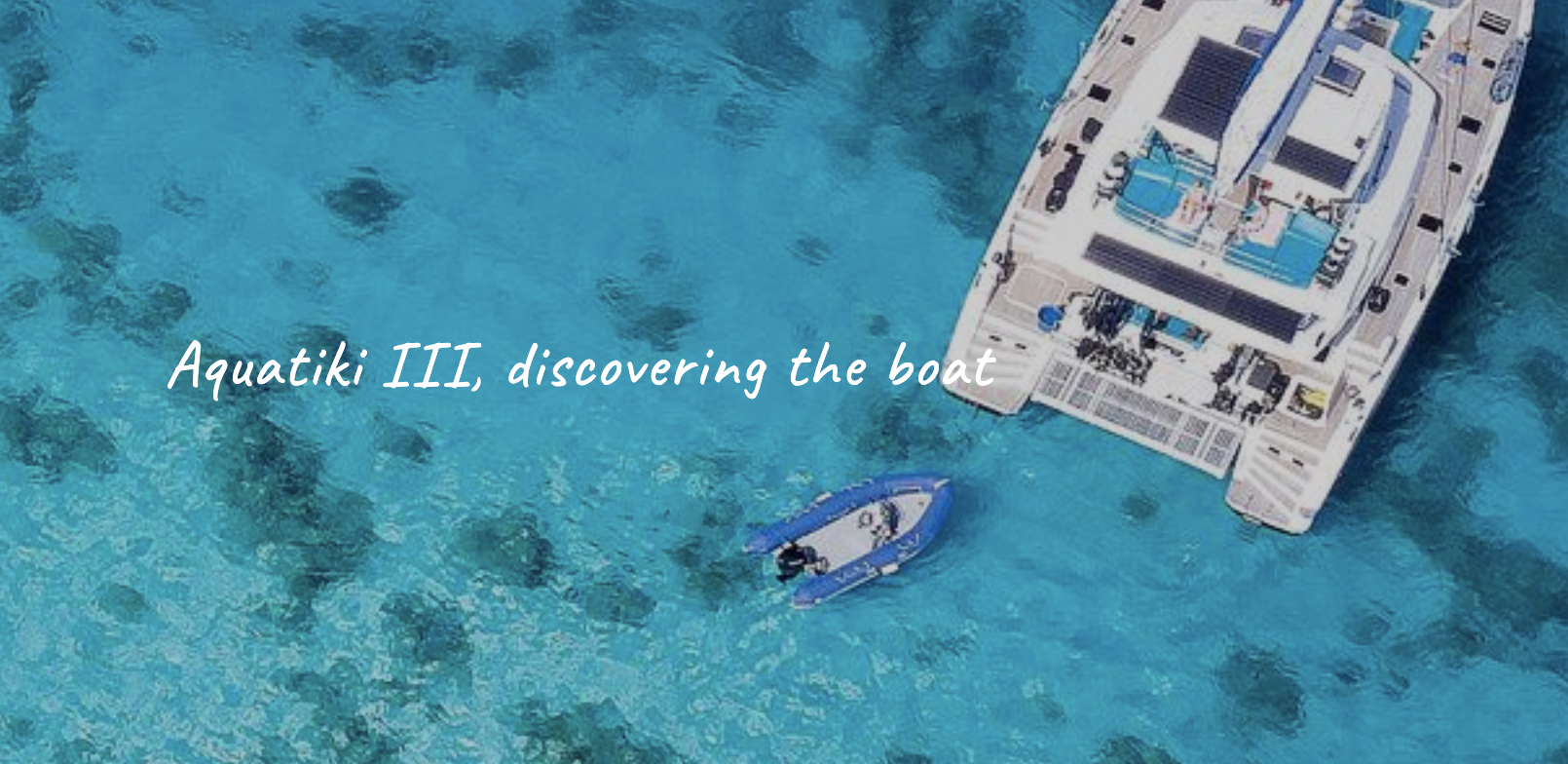
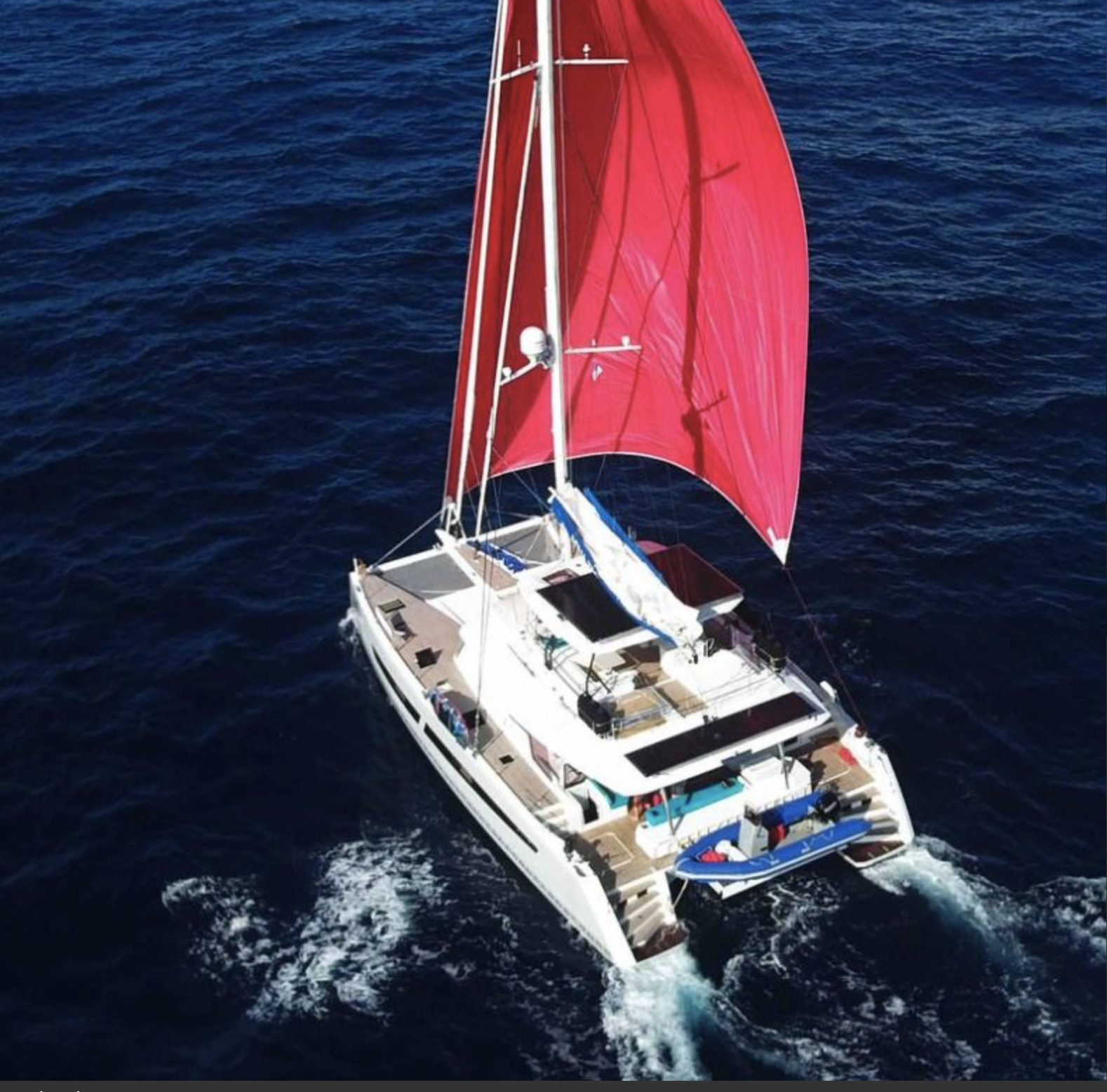
We'll board the beautiful Aqua Tiki III or IV for a relaxed ten-night cruise through the magnificent Tuamotu Archipelago, exploring some of the most remote and breathtaking atolls in French Polynesia. Over the coming days we'll discover pristine coral reefs, drift through world-famous passes, visit idyllic pink sand beaches, snorkel in crystal-clear lagoons, kayak over turquoise waters and experience the warm hospitality of the Tuamotu islands.
From the legendary South Pass of Fakarava to the untouched lagoons of Kauehi and Toau, every destination offers something unique. Days are spent diving vibrant reefs, enjoying leisurely island visits, relaxing on secluded motus and embracing the slower pace of life that makes French Polynesia so magical.
This expedition is designed to give you the very best of both worlds. It begins with one of the most exhilarating and scientifically fascinating spawning events anywhere in the ocean before transforming into an unforgettable voyage through one of the world's largest and most beautiful coral atoll systems.
For photographers, divers and ocean lovers alike, it is the perfect combination of extraordinary wildlife encounters and classic South Pacific adventure—an expedition that captures the very essence of the Tuamotus.
FAKARAVA ATOLL
Fakarava, Havaiki-te-araro, Havai'i or Farea is an atoll in the west of the Tuamotu group in French Polynesia. It is the second largest of the Tuamotu atolls. The nearest land is Toau, a coral atoll which lies 14 kilometres to the northwest.
The atoll is rectangular and its length is 60 kilometres, its width 21 kilometres. Fakarava has a wide and deep lagoon with a surface of 1,112 square kilometres with two passes. The main pass to enter the lagoon, located in its north-western end, is known as Passe Garuae and it is the largest pass in French Polynesia; the southern pass is called Tumakohua.
Fakarava has 837 inhabitants, mainly living in the main village called Rotoava, in the north.
PASSE GARUAE PASS (North Pass)
The Garuae Pass is the widest channel in French Polynesia and is located in the north of the atoll. Currents can be particularly strong, and the channel itself is usually only dived on a slack or incoming tide. Plenty of grey reef sharks patrol the giant entrance while thousands of fish are hiding in the channel dug outs.
Possible manta ray encounters can be seen further up the channel wall, as well as a healthy reef of beautiful hard corals and a number of pelagics - including huge numbers of grey reef sharks and plenty of dog tooth tuna.
TUMAKOHUA PASS (South Pass)
Tumakohua Pass located in the far south of the atoll, is an hour’s boat ride from Rotoava and is very different from Passe Garuae in the north.
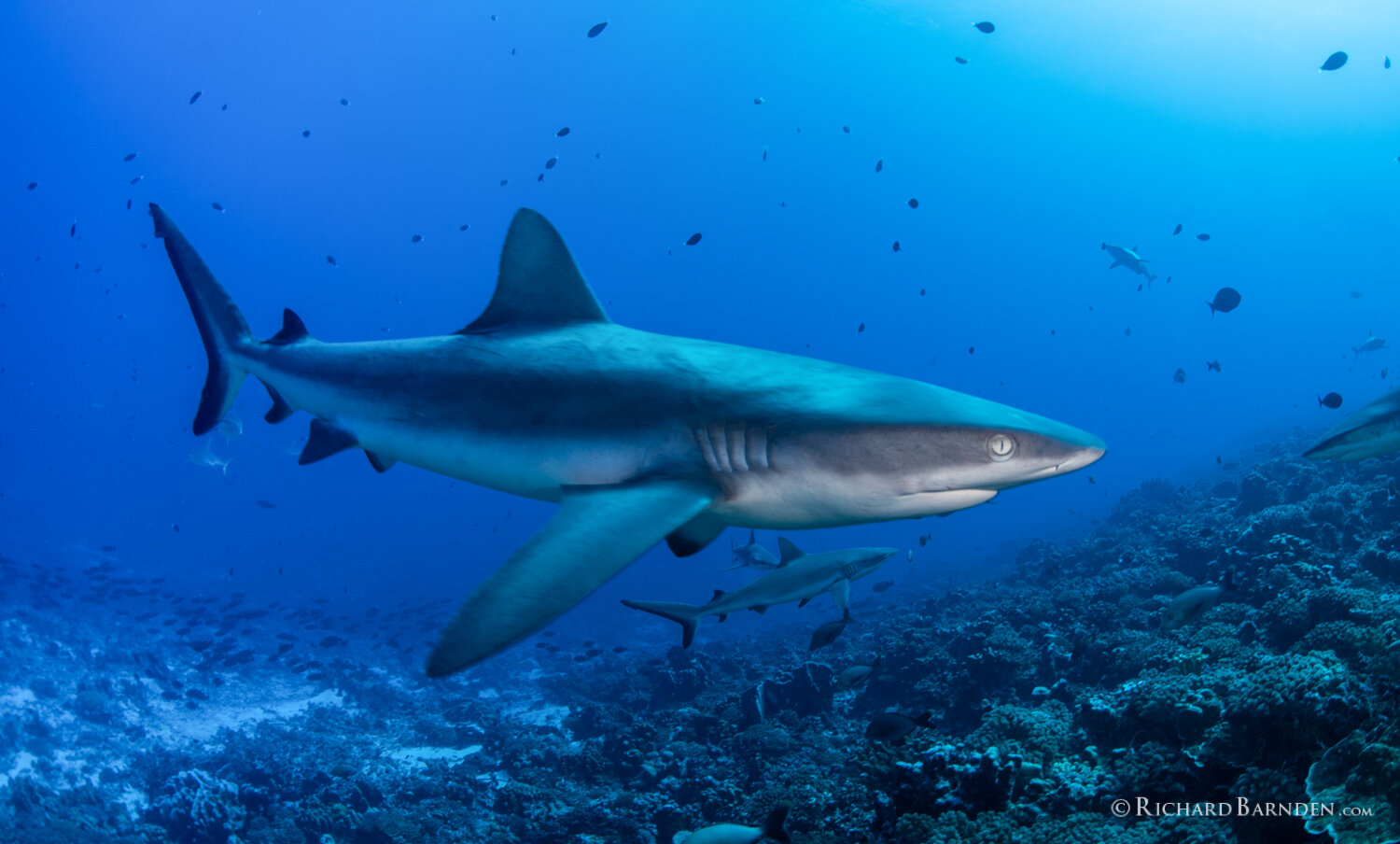
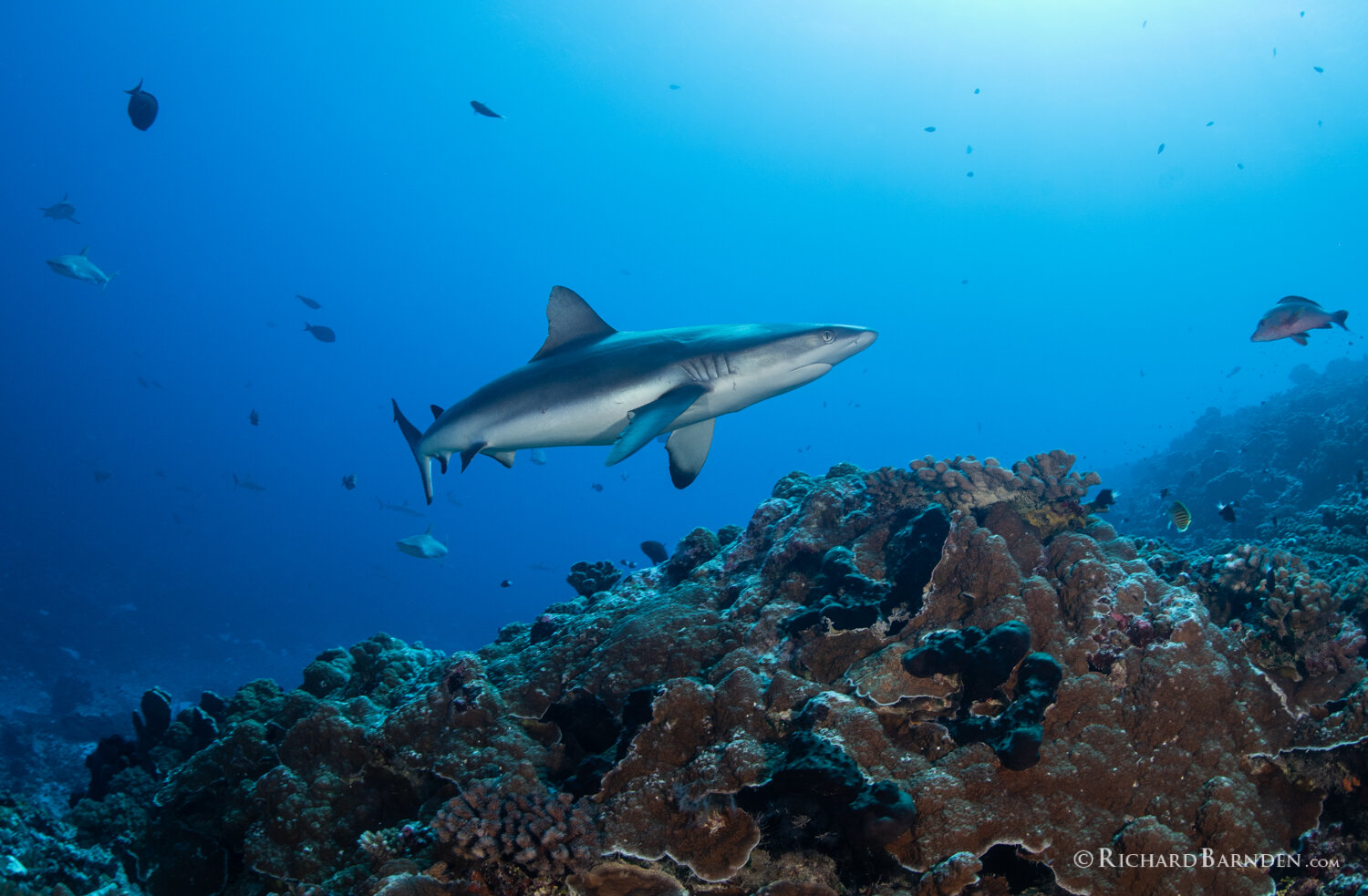
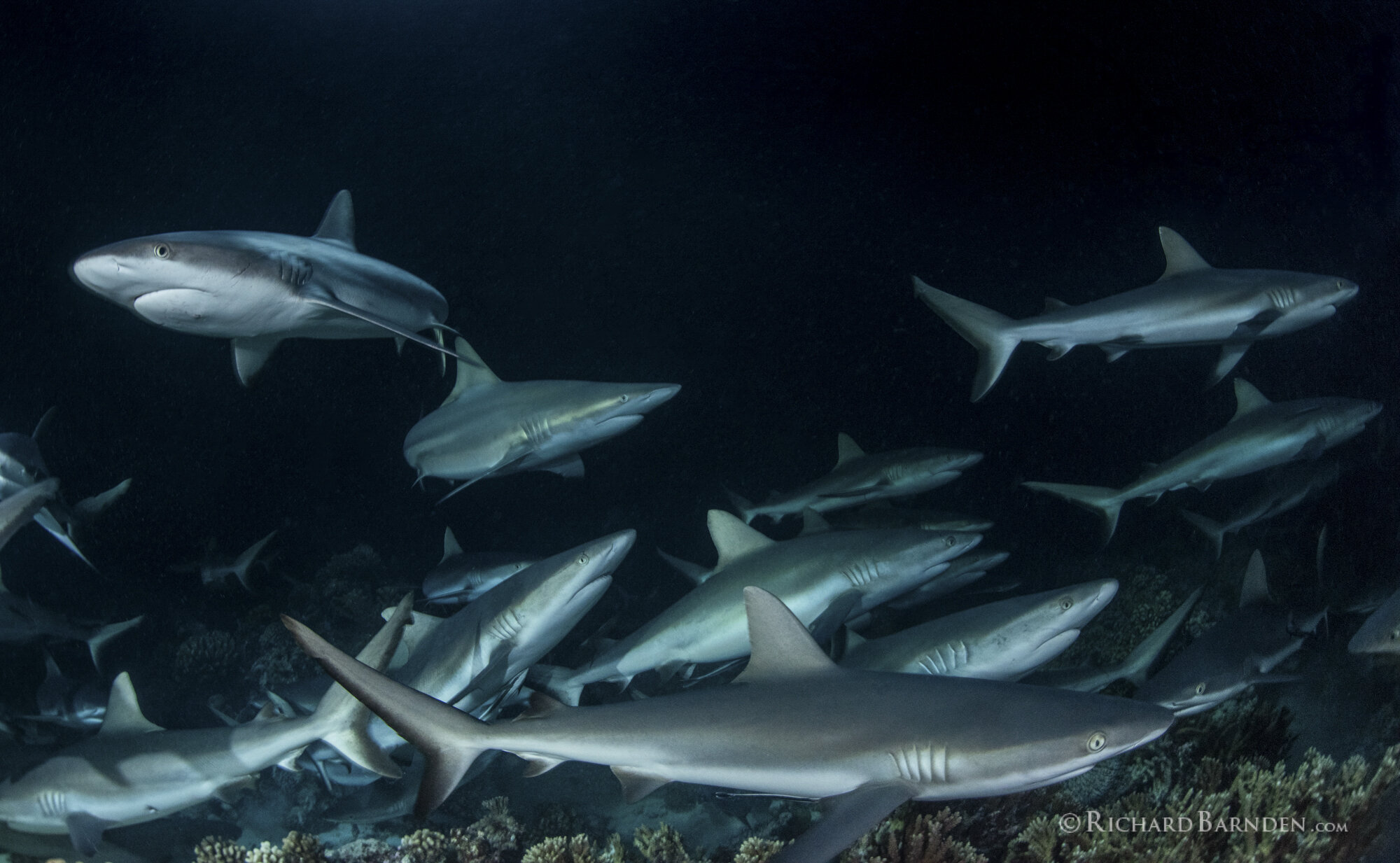
Only 200-metres wide, this pass is far narrower with currents surprisingly calmer. On any given day, this site can provide some truly spectacular dives, particularly if you’re interested in sharks. The pass has several spots where divers can find shelter and watch as numerous sharks patrol through the pass. A cave cut into the side of the channel, known as Shark’s Hole or Shark Wall, is also home to tons of grey reef sharks.
Other than the WALL OF SHARKS, Tumakohua Pass is most famous for its annual camouflage grouper spawning event.
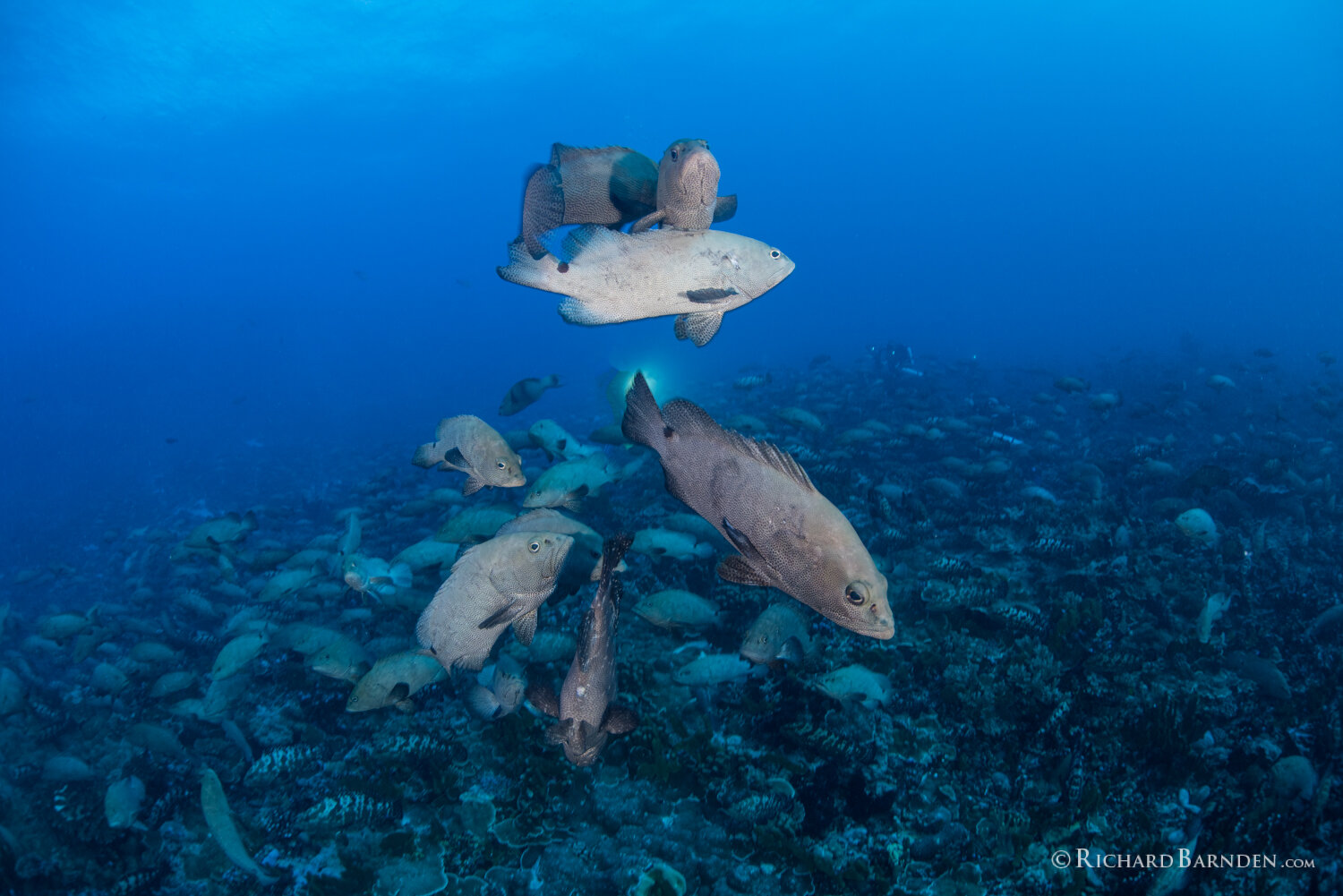
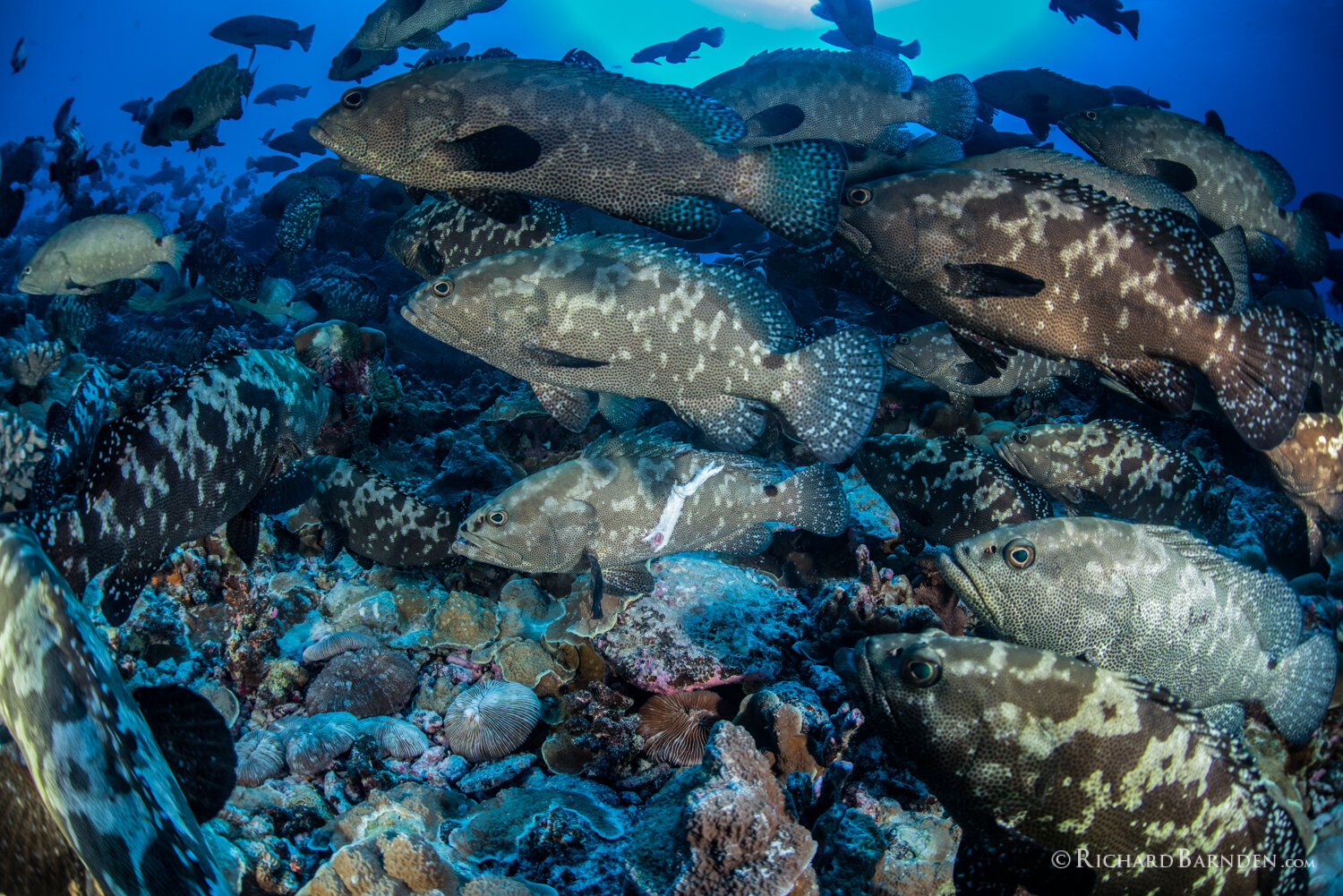
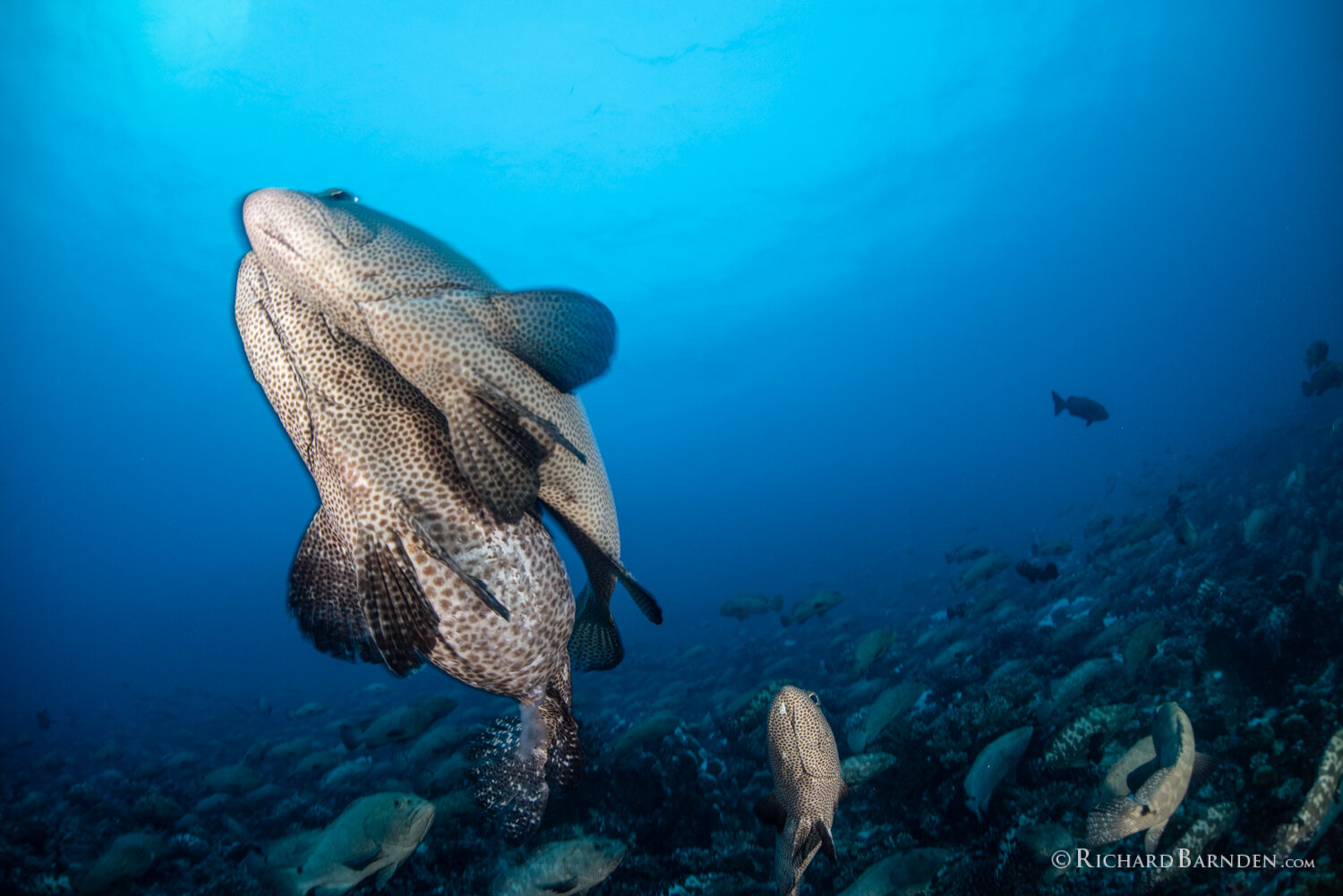
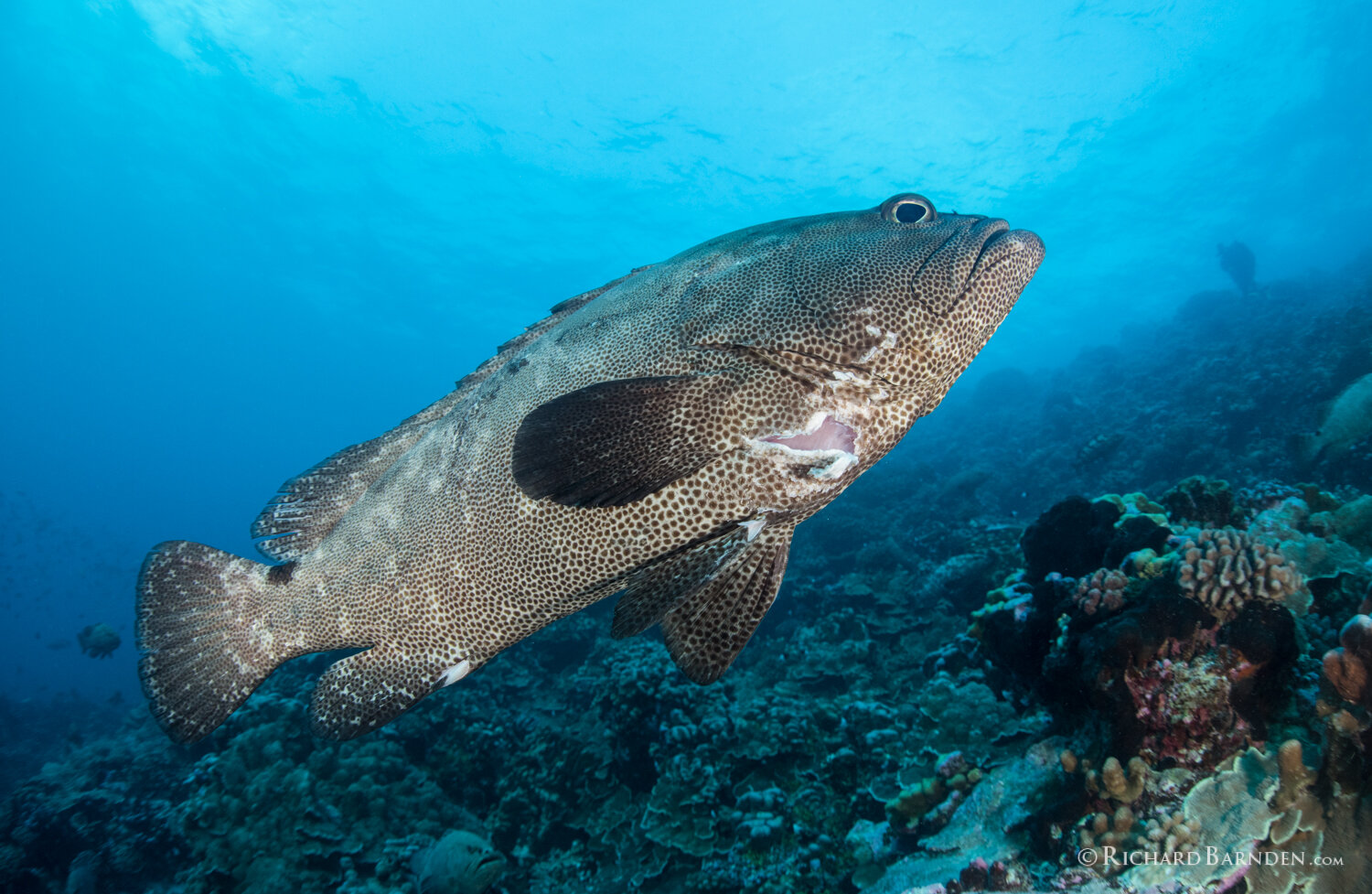
CAMOUFLAGE GROUPER AGGREGATION
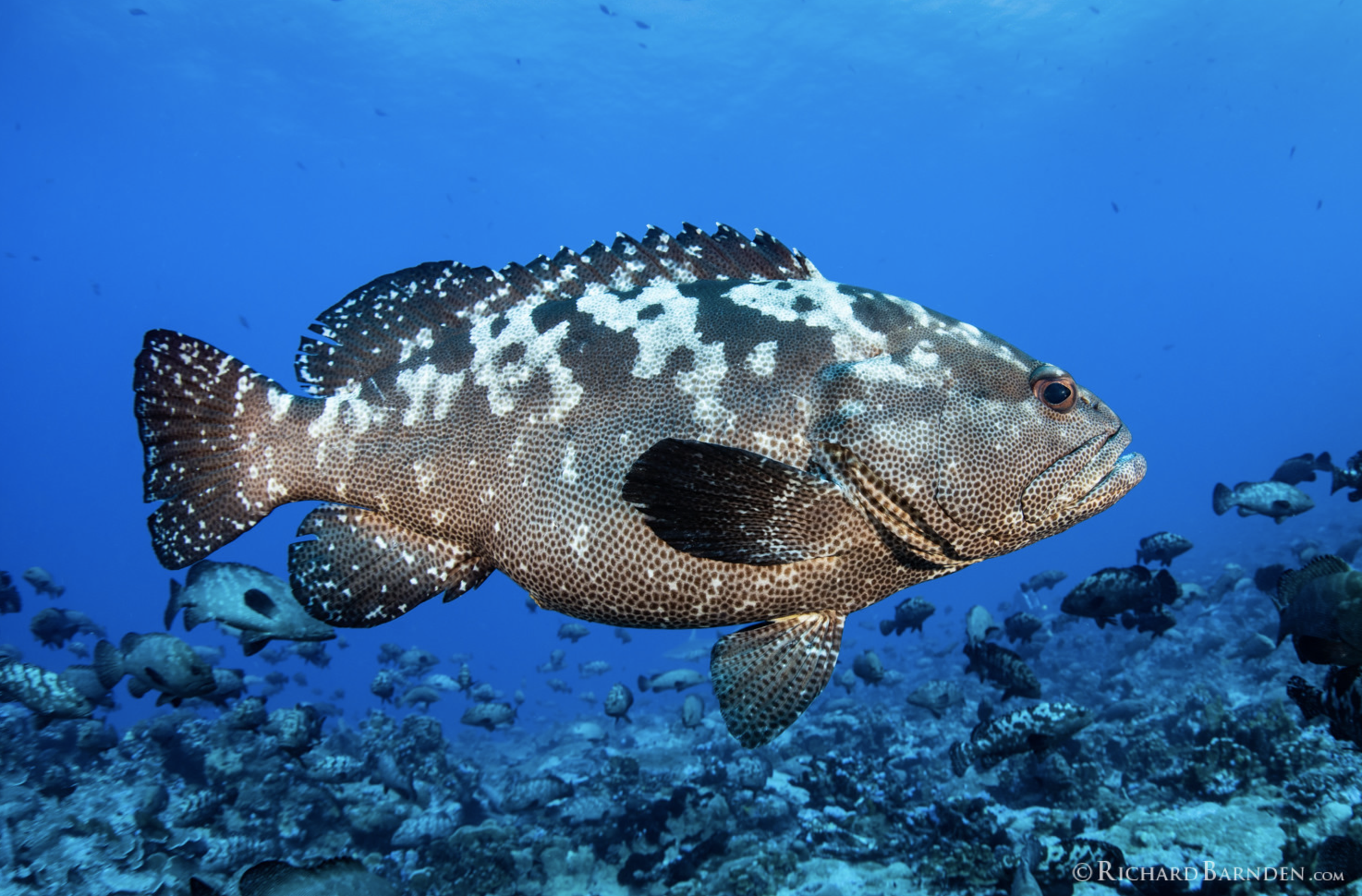
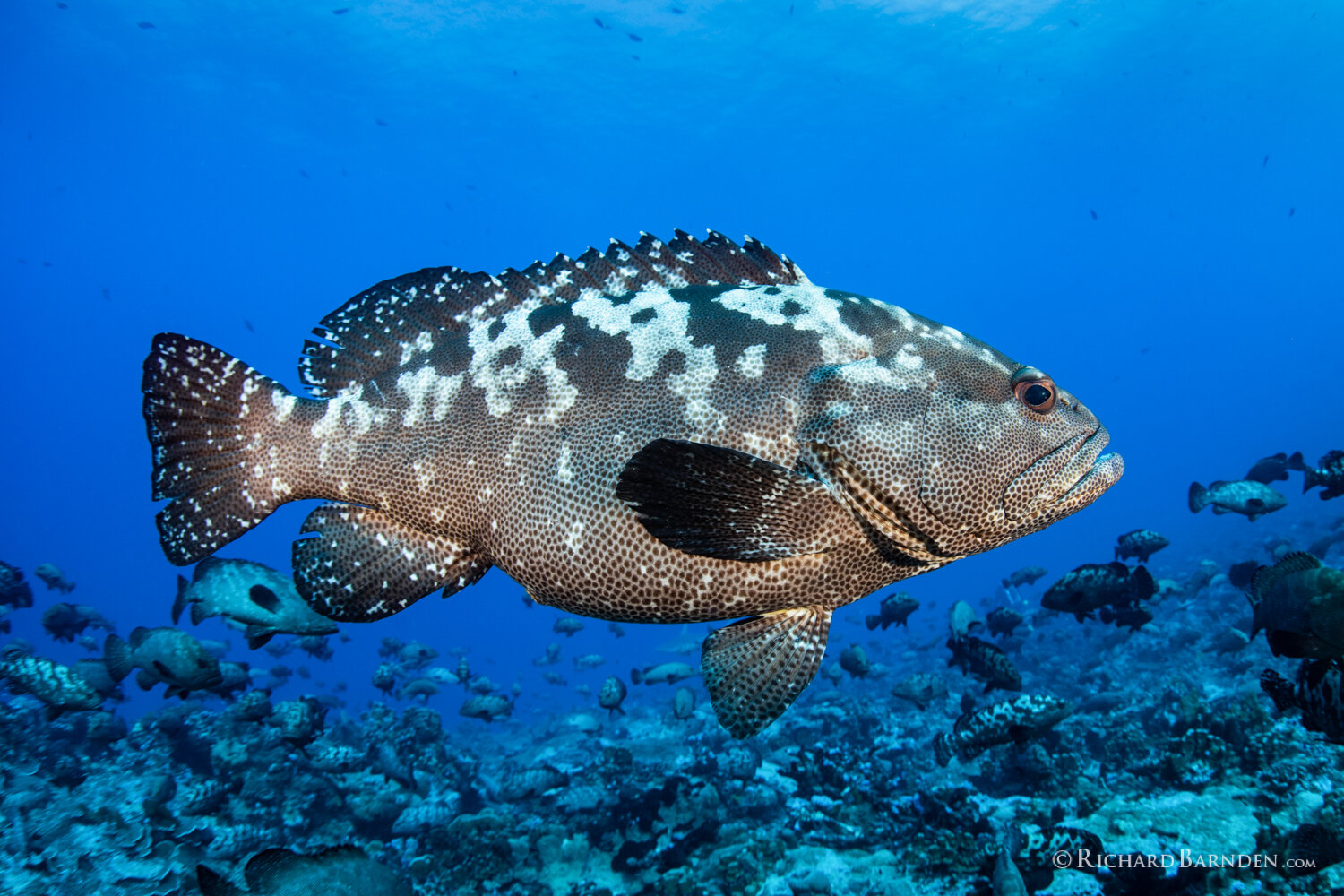
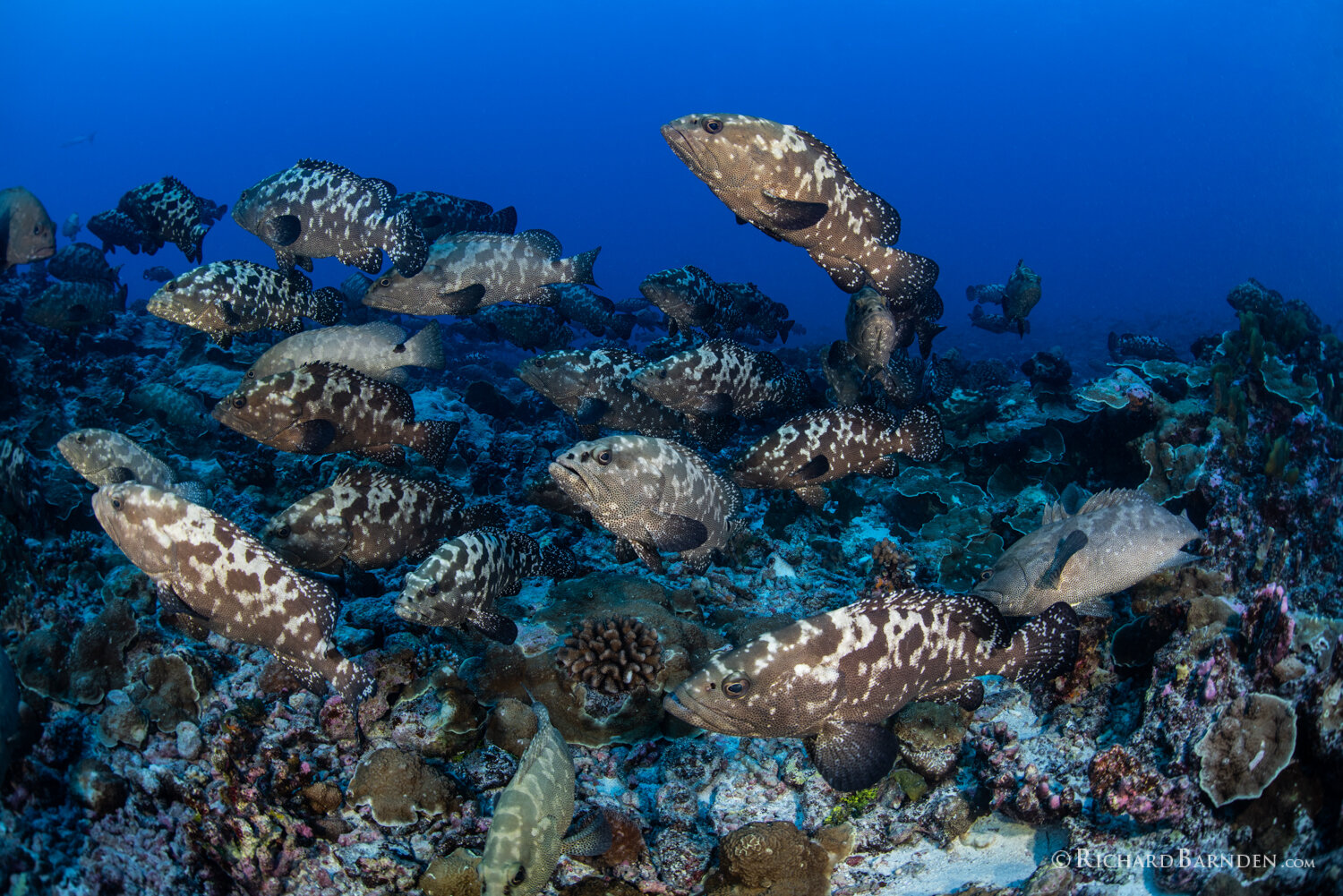
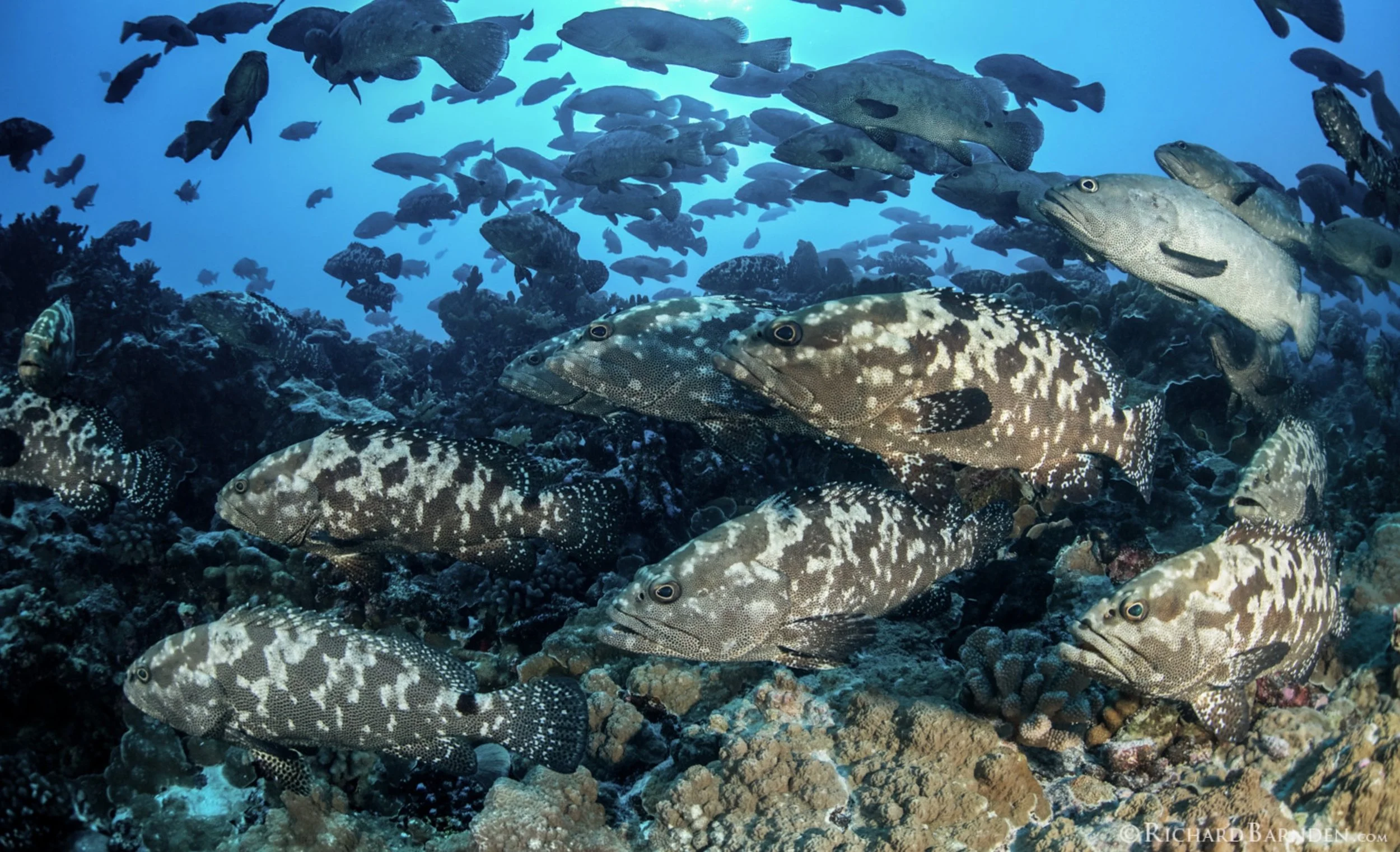
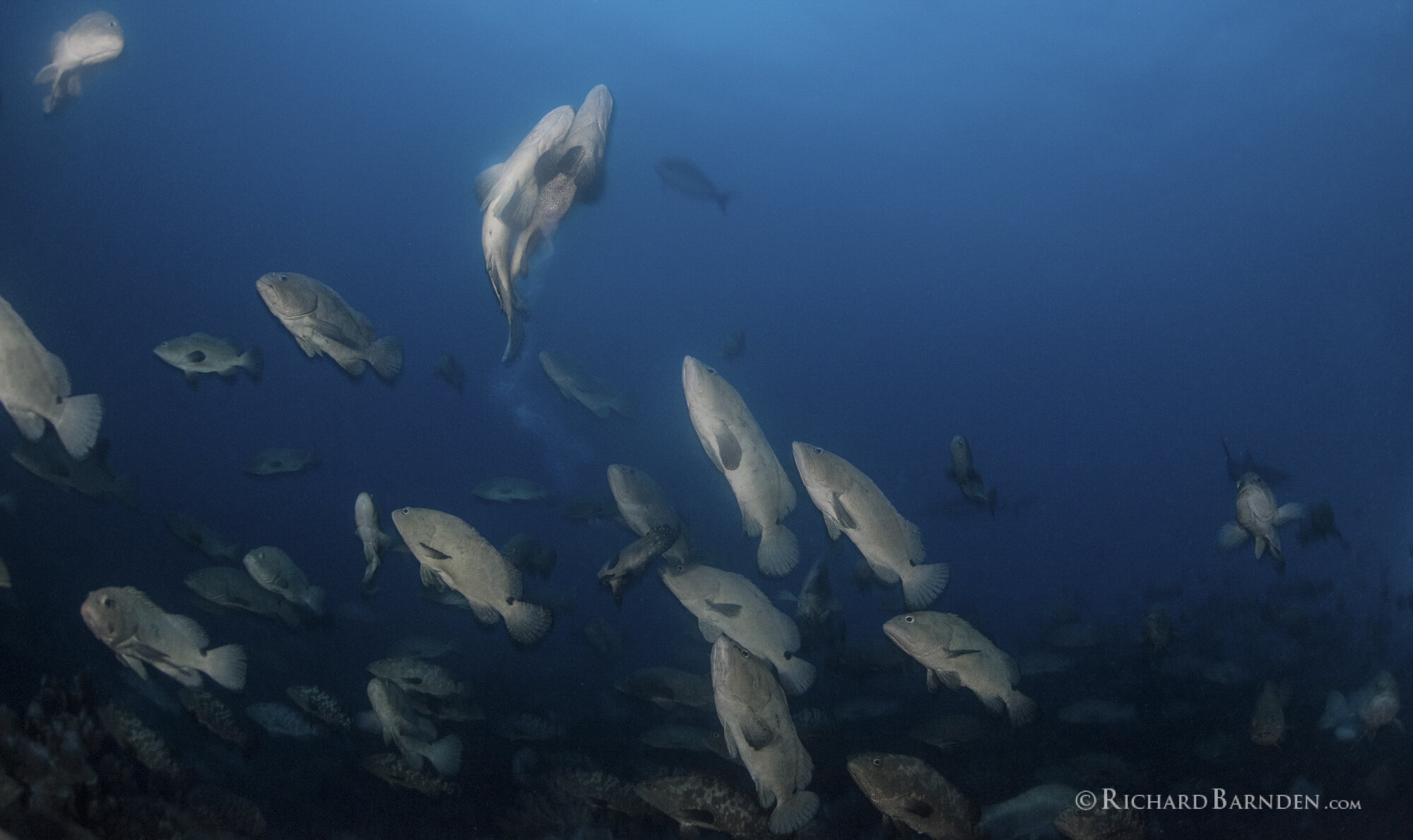
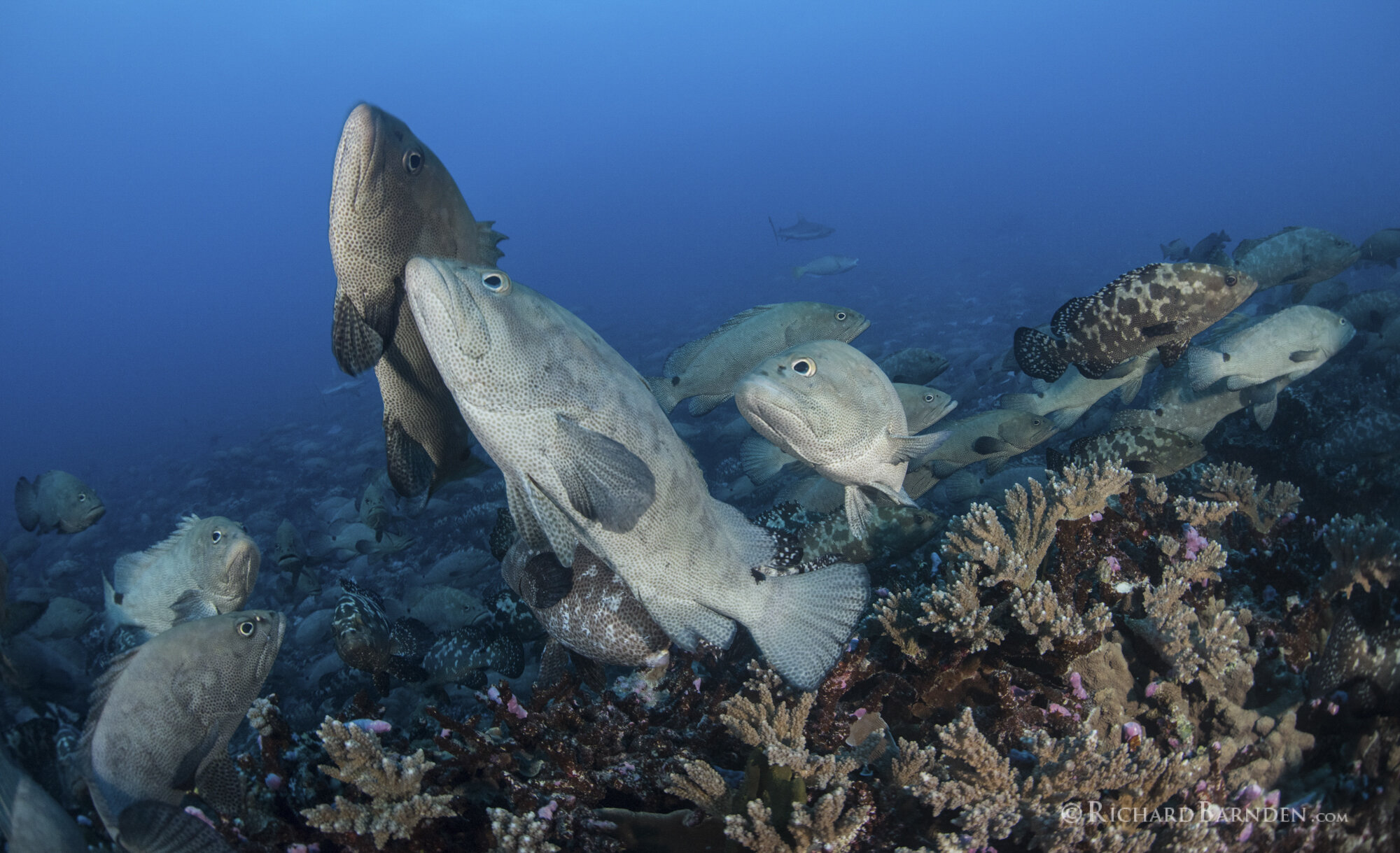
Leading up to the full moon tens of thousands of Camouflage Groupers (Epinephelus polyphekadion) are gathering around French Polynesia’s channels preparing to spawn, especially that of Fakarava South Pass. This channel holds the record number of groupers documented at over 18,000 individuals.
We begin our expedition before the full moon diving some of the big name sites with currents in preparation for the main event. These dives are very early morning dives, as the sun rises, we will begin the dive to watch the spectacle that is about to unfold.
A huge aggregation of groupers will rise from their hiding places, to ensure the continuation of their species. Witnessing this natural behaviour--which only can be described as an underwater firework display of energy and excitement--also attracts the biggest predators in Fakarava south pass such as hundreds of grey reef sharks, silver tips, oceanic blacktips, lemon sharks and more.
ACCOMMODATION
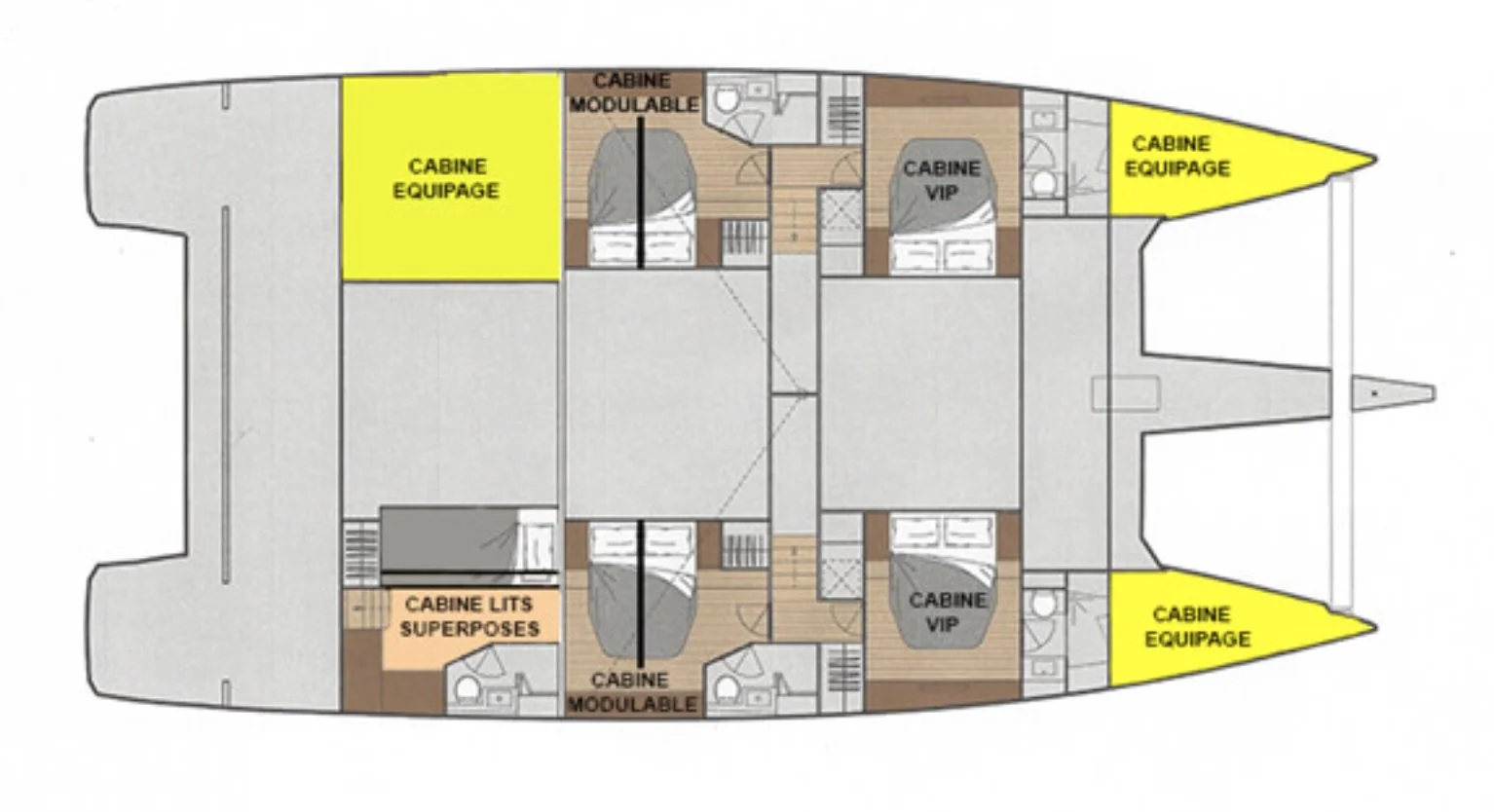
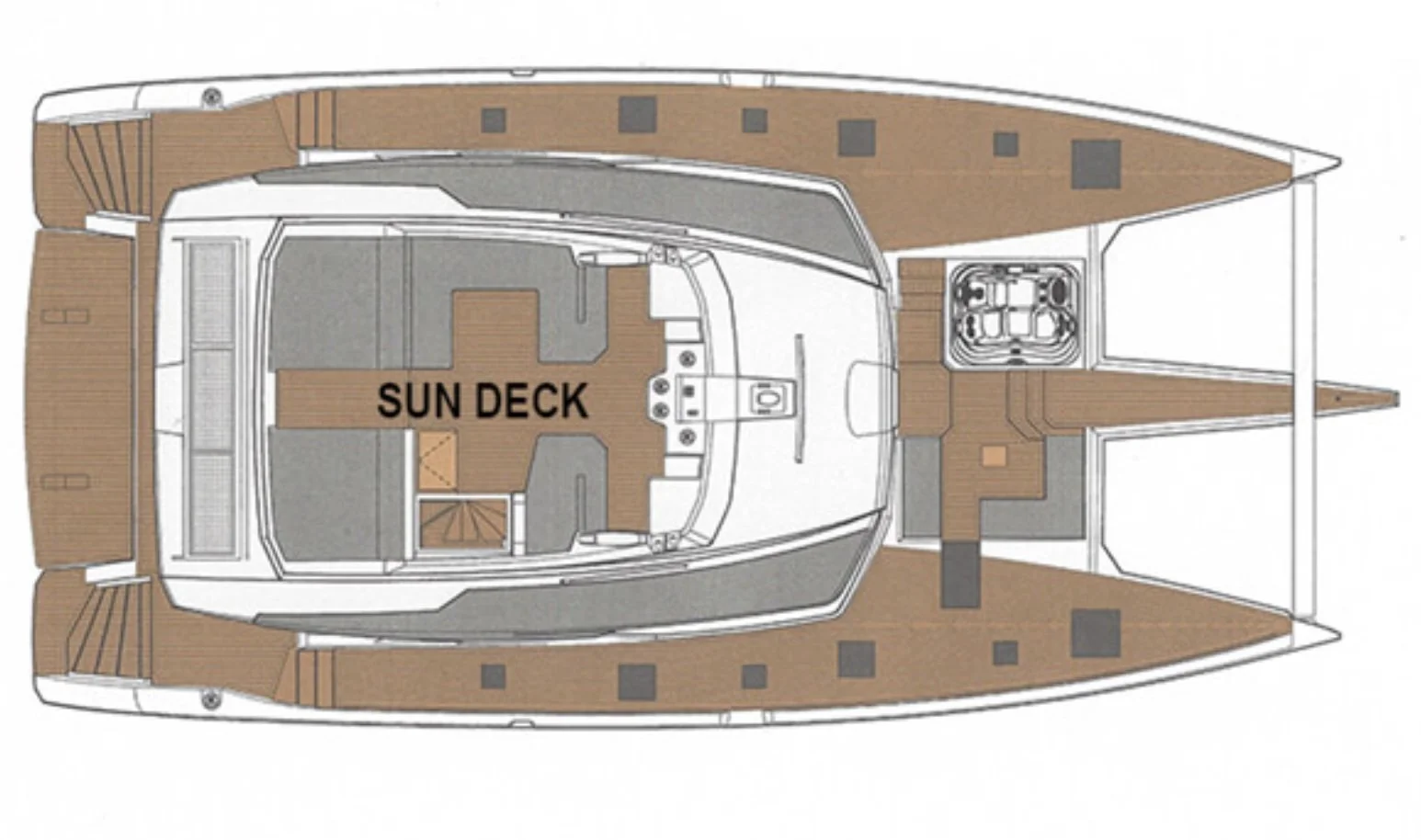
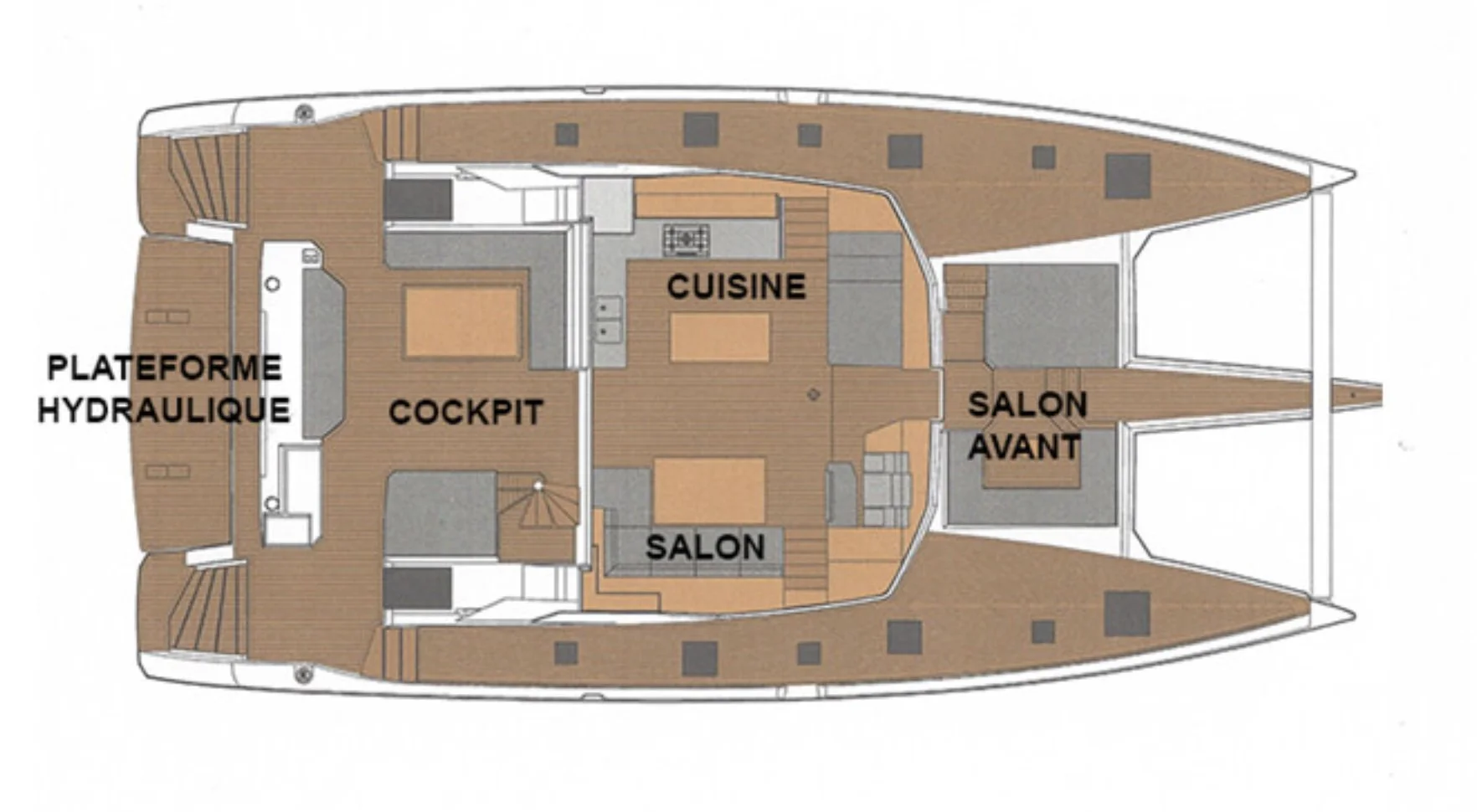
AQUA TIKI 3 - LIVEABOARD
10 Divers
AVAILABLE DATES 2029
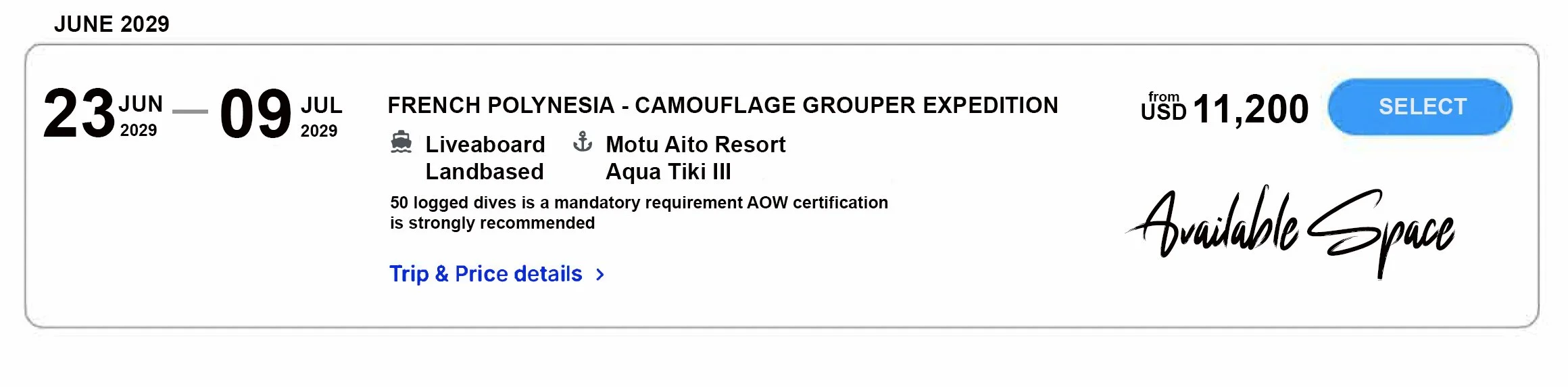
23 - 29 JUNE 2029
AITO MOTU - LANDBASED
FAKARAVA GROUPER SPAWNING EXPEDITION ONLY
6 NIGHTS ACCOMMODATION, 5 DAYS DIVING - ALL MEALS INCLUSIVE - $2,995

29 - 09 JULY 2029
AQUA TIKI 3 - LIVEABOARD
TUAMOTU ATOLL DIVING EXTENSION
10 NIGHTS ACCOMMODATION, 9 DIVING DAYS - ALL MEALS INCLUSIVE - $8,205
ACCOMMODATION
MOTU AITO PARADISE - LANDBASED
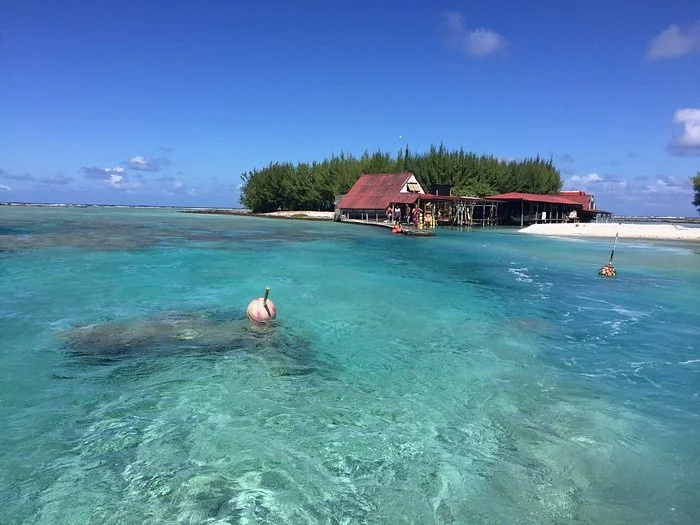
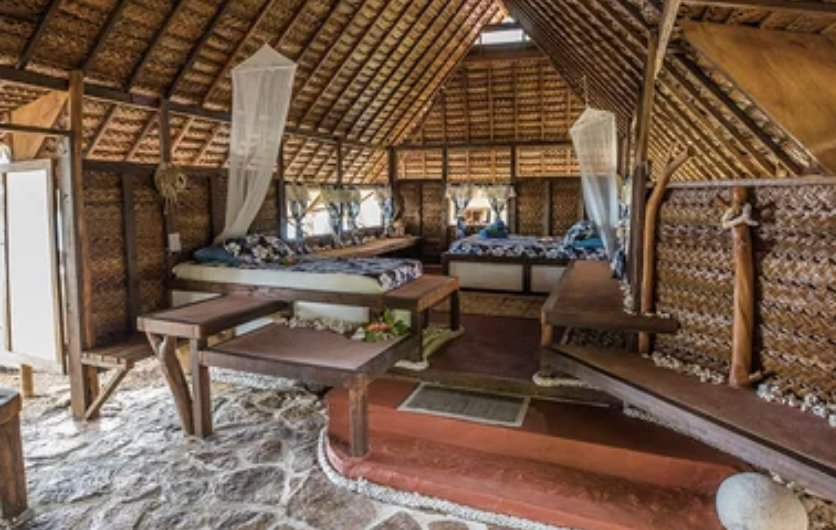
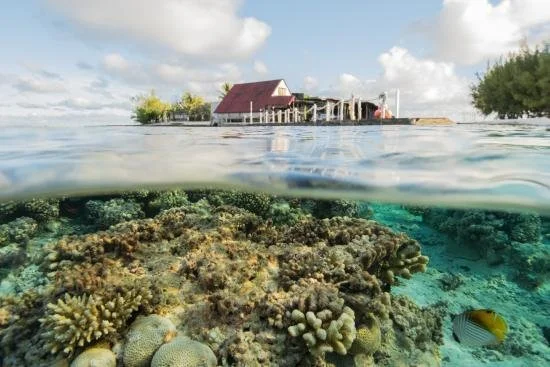
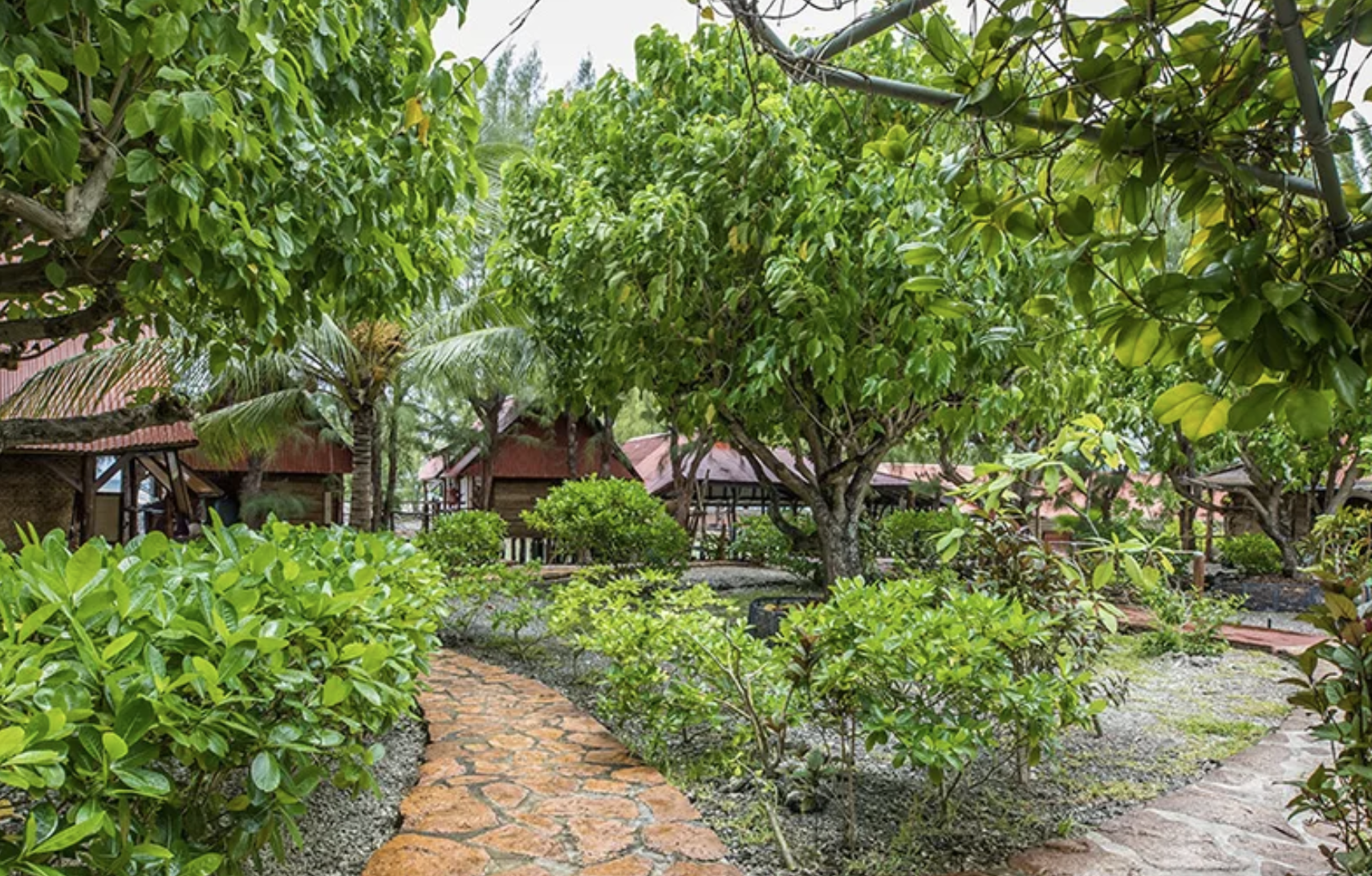
Motu Aito Paradise welcomes you to its private island south of Fakarava. Its eight bungalows, built in traditional style, bring out the charm of old Polynesia.
Motu Aito Paradise welcomes you to its private island south of Fakarava. Its eight bungalows built in a traditional style bring out the charm of old Polynesia.
Each bungalow is equipped with a comfortable bed, storage space and a private bathroom.
When you make your reservation, you can choose from our two garden bungalows, two lagoon bungalows on the water and our four suites!
For your dining pleasure, we offer you hearty and very good dishes served in the morning, midday and evening. During your tastings, you will be able to taste freshly caught fish, lobsters*. Everything is there to delight your taste buds in a heavenly setting!
The team is at your disposal to make your stay as pleasant as possible. Comfort and authenticity give rhythm to this pension.
2029 ITINERARY
6 NIGHTS / 5 DAYS @ MOTU AITO RESORT
Day One - Domestic Flight to Fakarava Airport (FAV) - Tahiti Air (VT 557) from Papeete (PPT) @ 13.35pm, arrives in Fakarava (FAV) @ 15.50pm
Day Two - South Pass - We will dive the South Pass of Fakarava Atoll, looking for Camouflage Groupers
Day Three - South Pass - We will dive the South Pass of Fakarava Atoll, looking for Camouflage Groupers & Night Dive
Day Four - South Pass - We will dive the South Pass of Fakarava Atoll, looking for Camouflage Groupers & Night Dive
Day Five - South Pass - We will dive the South Pass of Fakarava Atoll, looking for Camouflage Groupers & Night Dive
Day Six - South Pass - We will dive the South Pass of Fakarava Atoll, looking for Camouflage Groupers
Day Seven - Pick up from Aito Motu Resort and embark Aqua Tiki III
10 NIGHTS / 9 DAYS @ AQUA TIKI 4 LIVEABOARD
Day One - Pick up from Aito Motu Resort and embark Aqua Tiki III
Day Two - Tetamanu & Pink Sand Motus
Day Three - Sail to Kauehi - We will sail to Kauehi and do two dives there
Day Four - Discover Kauehi - We will do another two dives around Kauehi
Day Five - Dive Kauehi - Two more dives around Kauehi
Day Six - Sail to Toau - We will sail to Toau and do two dives there
Day Seven - Explore Toau - Two more dives around Toau
Day Eight - Sail to Garuae Pass, North Fakarava - We shall sail to Fakarava North Pass (Garuae Pass)
Day Nine - Garuae Pass, North Fakarava - We shall do two dives in the North Pass (Garuae Pass)
Day Ten - Garuae Pass, North Fakarava - We shall do two final dives in the North Pass (Garuae Pass)
Day Eleven - Disembark Aqua Tiki III
TOTAL = 16 NIGHTS COMBO PACKAGE

FAKARAVA ATOLL LOCATION
INCLUDES
16 Nights Accommodation
15 Days of Diving
All Meals
Tanks & Weights
EXCLUDES
International Flight to Papeete
Domestic Flight to Fakarava
Gratuities
Rental Dive Equipment
DIVE SITE INFORMATION
WATER TEMPERATURE - 26c / 73F
WETSUIT - 5mm / 3mm
Fakarava
Located southeast of Rangiroa, Fakarava is home to the second largest lagoon in the Tuamotu Atolls. This rectangular reef encloses such a rich ecosystem that it has been designated by UNESCO as a Biosphere Reserve. The area both inside and around Fakarava is known to safeguard a variety of endemic wildlife. In fact, out of the entire commune including small atolls such as Niau, Raraka, Taiaro and Toau, some are completely closed to the ocean, creating a nursery for precious underwater flora and fauna.
Fakarava South Pass - One of French Polynesia’s most famous dives, and probably the sharkiest dive on the planet. It’s all about diving the passes in French Polynesia and generally done on an incoming tide. On most dives you will start in the mouth of the pass spending time watching the wall of sharks 200+ and let the current drift you inside as you pass by the marine life. Divers are dazzled by the incredible variety of fish, including barracudas, jacks, Napoleon wrasses and schooling grey reef sharks. Strong tidal currents render it a dive for the more experienced.
Fakarava North Pass - The only other pass in Fakarava and normally has strong currents. This pass is much wider than the south pass and currents here can be wild. Schooling yellow snappers are hiding in the large holes which make a great place to hide and let the sharks and fish come to you. Silvertip’s, hammerheads and eagle rays are common visitors.
SPAWNING DIVE INFORMATION
POTENTIAL CURRENT DIVES
The yearly aggregation of camouflage grouper (Epinephelus polyphekadion) has been known for many decades in the South Pacific. Scientists have come and gone since the late 70’s observing their patterns and protecting them and their vulnerable spawning sites around the islands during the months of June through to August.
